
Epictetus: Triumphing Over Hardship and Adversity
Life throws curveballs. Things don’t always go our way. Sometimes, life feels really tough. It’s easy to get upset when things go wrong. We might feel frustrated, angry, or sad.
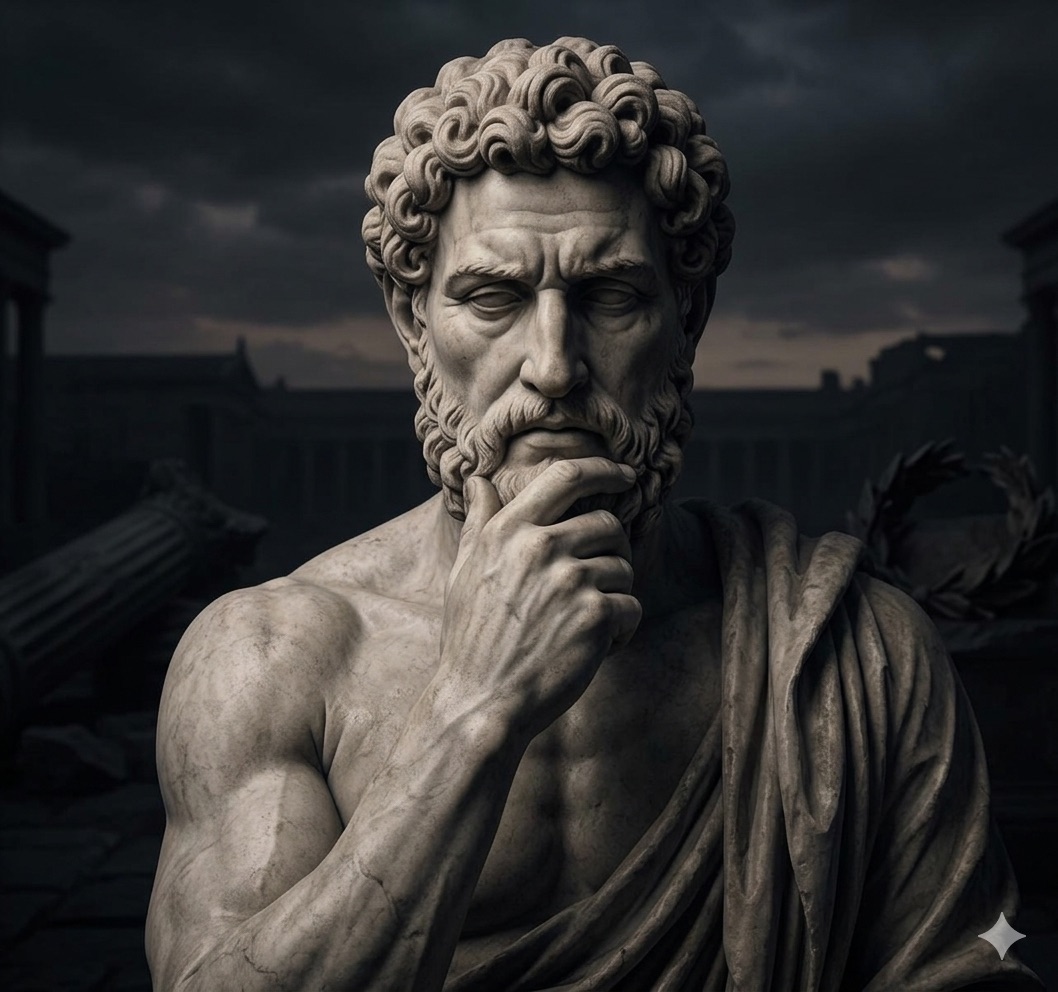
But what if there’s a different way to look at these tough times? What if we could find a way to be okay, even when things are hard? This is what a wise old thinker named Epictetus taught us. He lived a long time ago, but his ideas are still super helpful today. Epictetus knew what hardship was. He even started life as a slave. But he learned to find peace and strength no matter what happened.
His teachings are like secrets for living a better life. Secrets that help us handle hard stuff with a calm heart. He didn’t promise an easy life. He promised a way to live well, despite the hard parts.
Epictetus’s main thing was understanding what we can control and what we can’t. This is the biggest secret of all.
What Can You Actually Control?
Think about it. What can you really boss around in life? Can you control the weather? Nope. Can you control what other people think of you? Not really. Can you control if you get a flat tire? Sometimes it just happens.
These are things outside of you. They are not up to you. Epictetus called them “indifferents.” This doesn’t mean they don’t matter at all. It means they don’t control your inner peace.
What About Your Own Thoughts and Actions?
Now, think about what you can control. You can control what you choose to think. You can control how you react. You can choose to be kind or unkind. You can choose to try hard at something. You can choose to be patient.
These are your thoughts. These are your choices. These are your actions. Epictetus said these are the only things truly in your power. This is your inner world.
This idea is the bedrock of his teaching. If you get this, you’ve learned a huge secret. Your own mind is where your true freedom lies.
The Power of Your Mind
Imagine you’re reading a book. Someone interrupts you. You can get mad. Or, you can take a deep breath and say, “Okay, I’ll pause for a minute.” The interruption happened. But how you feel about it is up to you.
This is the choice Epictetus wants us to make. To focus our energy on what we can change. Not to waste it worrying about what we can’t.
When a problem comes, ask yourself: “Is this something I can change?” If yes, then figure out how to change it. If no, then accept it and focus on how you will respond.
It’s like this: you can’t stop the rain from falling. But you can choose to put on a raincoat. You can choose to stay inside and read. You can choose to hum a happy tune. The rain is still falling, but your day doesn’t have to be ruined.
Your Inner Citadel
Epictetus talked about building an “inner citadel.” Think of a castle. It has strong walls. It has a safe place inside. This castle is your mind. You are the king or queen of it.
No one can break into your inner citadel without your permission. They can’t force you to feel a certain way. They can’t make you believe something false. That power is yours alone.
When bad things happen, like losing a job or a friend being mean, it feels terrible. These are external events. They happen outside your direct control.
But your response? That’s your inner citadel. You can choose to be brave. You can choose to learn from it. You can choose to look for the next opportunity.
It takes practice. At first, we get swept away by our feelings. That’s normal. But with conscious effort, we can learn to stand firm. Like a tree with deep roots. The wind blows, but the tree stays standing.
Understanding External Events
Epictetus didn’t ignore suffering. He experienced it himself. He was a slave for many years. He had a limp. He knew pain.
But he saw that suffering often comes from our judgment of events. Not the events themselves.
Think about a dropped ice cream cone. The ice cream is gone. That’s a fact. But is it a disaster? If you decide it’s a disaster, you’ll be very upset. If you see it as a small disappointment, you can shrug it off. Maybe get another one later.
It’s our own meaning-making that causes most of our pain. We assign blame and importance.
The Role of Our Judgments
Epictetus said things like “Death is nothing to us.” This sounds shocking. But he meant that death itself isn’t good or bad. It’s our judgment about death that causes fear.
We fear what we don’t understand. We fear the unknown. We worry about what happens next. Our fear is an opinion we hold.
When something makes you angry, is it the thing itself or your thought about it? Usually, it’s your thought. “How dare they do that!” You are judging their action as wrong. You are judging the situation as unfair.
Changing your judgment can change your whole feeling. This is a powerful tool. It takes practice. You have to catch yourself when you’re making harsh judgments.
Consequences vs. Events
Let’s say you studied hard for a test. You still got a bad grade. The bad grade is an event. Your hard work is an action.
You can’t control the test questions. You can’t control how you might have misinterpreted something.
But you can control your effort. You can control your attitude about the grade. You can decide, “Okay, I didn’t do as well as I hoped. What can I learn from this? Will I study differently next time?”
The consequence of a bad grade isn’t the end of the world. Your reaction to it is what matters.
Accepting What Is
One of the hardest lessons is acceptance. Accepting things as they are. Not as we wish they were.
This doesn’t mean giving up or not trying to improve things. It means seeing reality clearly. Without the filter of our desires and wishes.
When your friend moves away, it hurts. You miss them. That’s natural. But fighting the reality that they are gone is exhausting. Accepting that they are gone allows you to move forward. To cherish memories. To find new connections.
Acceptance is not resignation. It’s clear-eyed understanding. It’s saying, “This is how it is right now.”
The Serenity Prayer often mentions “the courage to change what we can, the serenity to accept what we cannot.” Epictetus was saying something very similar.
Living in Accordance with Nature
Epictetus believed we should live in agreement with nature. Not just the nature outside us, but our own human nature.
What is our human nature? We are rational beings. We are social beings. We have the capacity for goodness and reason.
Living in accordance with nature means using our reason. It means acting virtuously. It means being a good member of the human family.
When we act against our nature, we cause ourselves trouble. Like being selfish when we are meant to be social. Or acting out of anger when we have the capacity for calm.
The Four Virtues
Epictetus highlighted four main virtues. Think of them as pillars supporting your inner strength.
Wisdom. This is about understanding what is good, bad, and indifferent. It’s about knowing what you can control and what you can’t. It’s about making good choices.
Justice. This means treating others fairly. It means being honest and honorable. It’s about doing your part in society.
Courage. This isn’t about not being afraid. It’s about acting rightly even when you are afraid. It’s about facing challenges and doing what’s needed.
Temperance. This is about self-control. It’s about moderation. Not giving in to every desire. It’s about managing your impulses.
These virtues are your tools for dealing with hardship. They are always available to you. They are within your control.
The Role of Desire and Aversion
Epictetus had strong ideas about desire and aversion.
Desire is wanting something to happen. Aversion is wanting something not to happen.
He said that if you desire things outside your control, you will be disappointed. For example, desiring wealth. If you don’t get it, you’re unhappy.
If you have aversion to things outside your control, you will be anxious. For example, fearing public speaking. You might avoid it, but the fear eats away at you.
So, what should we desire and dislike? Epictetus said we should only desire what is truly good – virtue. And we should only dislike what is truly bad – vice.
This means desiring to be a good person. Desiring to act wisely. Desiring to be just.
And disliking acting wrongly. Disliking being unfair. Disliking being foolish.
These are things within your control.
Practicing Stoicism in Daily Life
How do you actually do this stuff? It’s not about meditating on a mountain. It’s about small choices, every day.
Morning Ritual: When you wake up, remind yourself of what’s important. What can you control today? What challenges might come? Prepare your mind.
Before Bed Reflection: At the end of the day, think about what went well. What could have gone better? Did you act according to your values? What did you learn?
Dealing with Annoyances: Stuck in traffic? Someone cut you off? Instead of fuming, take a breath. Remind yourself: “This is outside my control. How do I want to respond? Can I listen to a podcast? Can I practice patience?”
Interactions with Difficult People: Someone is being rude or unfair. You can’t control their behavior. But you can control yours. You can remain calm. You can choose not to be drawn into their negativity. You can act with justice and kindness, even if they don’t.
Loss and Grief: When you lose something or someone, it’s painful. Stoicism doesn’t say “don’t feel sad.” It says, “understand what you can control.” You can’t bring back what’s lost. But you can control how you carry the memory. You can control your efforts to heal.
Everyday Examples
Imagine you’re planning a picnic. You’ve prepared everything. You’re looking forward to it. Then it starts raining.
What’s outside your control? The rain.
What’s inside your control? Your reaction. You can whine and complain. Or, you can say, “Okay, no picnic outside. Let’s have a picnic inside! We can play games instead.” Your attitude changes everything.
You’re waiting for an important email. You keep checking your phone. You get anxious. The checking and the anxiety are within your control. The sending of the email is not. You can choose to put your phone away and focus on another task. You can trust that the email will arrive when it arrives.
Your boss gives you feedback. It’s not what you wanted to hear. It might even feel unfair.
Your boss’s opinion is outside your control. The feedback itself, they can give.
Your reaction is inside your control. You can get defensive. Or, you can listen. You can ask clarifying questions. You can decide to learn from it, even if it stings.
The Goal: Inner Peace
The ultimate goal of Stoicism isn’t to be emotionless robots. It’s to find a deep, lasting inner peace. A peace that isn’t shaken by external events.
It’s about flourishing as a human being. It’s about living a life of purpose and integrity.
Epictetus taught that true happiness comes from within. From our character. From our choices. Not from luck or possessions or other people’s opinions.
When you focus on what you can control – your thoughts, your judgments, your actions – you become more resilient. You become more content.
Challenges Become Opportunities
When you start practicing this, you’ll begin to see things differently. Hardship won’t seem like a personal attack. It will seem like a test. An opportunity to practice your virtues.
A tough conversation? It’s a chance to practice courage and temperance.
A setback at work? It’s a chance to practice wisdom and resilience.
An annoying person? It’s a chance to practice justice and equanimity.
This shift in perspective is powerful. It changes your relationship with life.
The Journey is the Practice
No one becomes a Stoic overnight. It’s a lifelong journey. It’s about consistent practice. Small steps, taken day after day.
You will slip up. You will get frustrated. You will get angry. That’s okay. The important thing is to notice it. To acknowledge it. And then to gently guide yourself back to your principles.
Think of it like learning to ride a bike. You fall off. You get back on. You learn to balance. With practice, you get stronger and more confident.
Epictetus’s teachings are a guide. A map. They show you the way to a more peaceful and fulfilling life. A life where you can truly triumph over hardship, simply by mastering yourself.
A Calm and Steady Inner Life
So, remember the main secret: focus on what you can control. Your thoughts and your actions. Build your inner citadel. Practice wisdom, justice, courage, and temperance.
When life gets tough, breathe. Ask yourself: “What can I truly control here?” And then, do your best with that.
This is how you find strength. This is how you find peace. This is how you triumph, not by changing the world, but by mastering yourself. And that, in all its simplicity, is a profound victory.