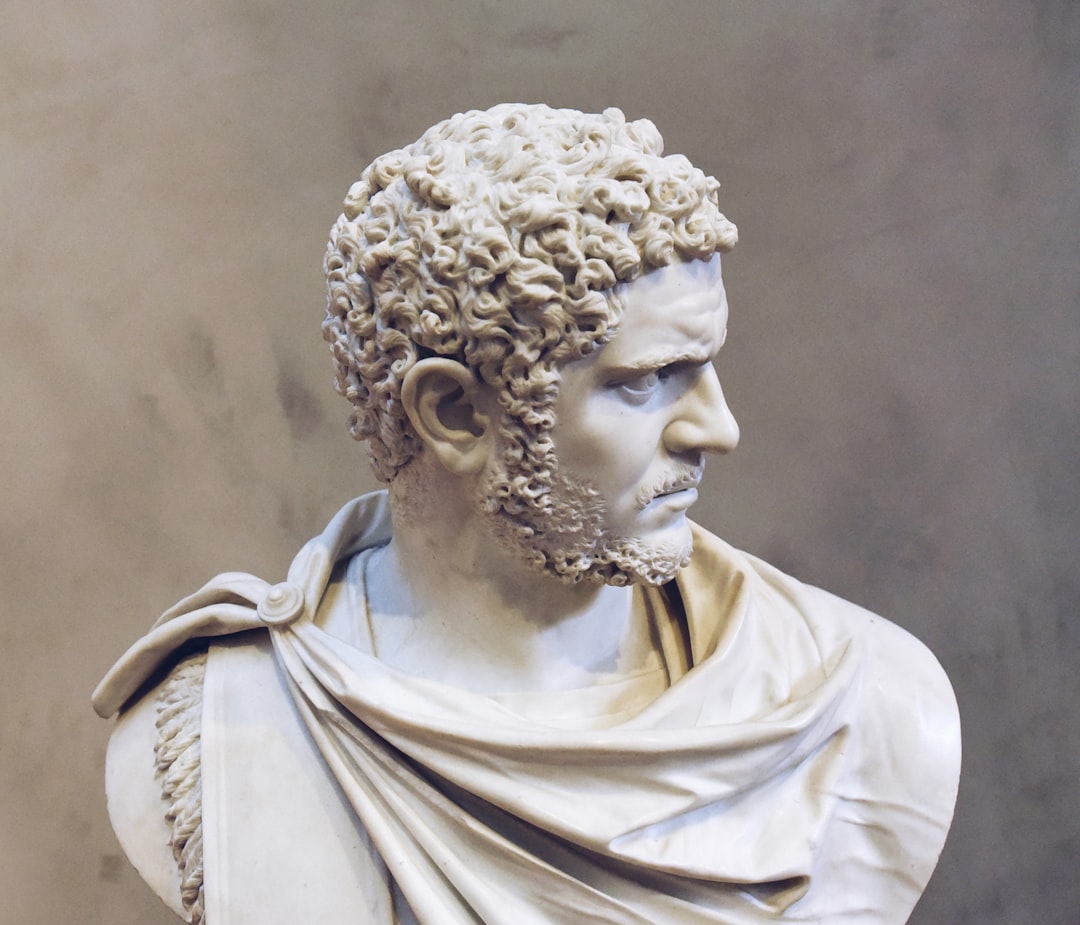

How Seneca Used Stoicism to Survive Power, Wealth, and Politics
Life can get messy. We all face challenges. Sometimes, these challenges feel huge. Think about all the things we have to deal with. School, jobs, family, friends. And sometimes, big, important people are involved. Or a lot of money. Or just the constant hum of what’s happening in the world.
It can feel like a lot to handle. We might wonder how anyone can stay calm. How they can make good choices when things are tough.
That’s where Seneca comes in. He lived a long, long time ago. But he faced some of the same kinds of problems we do. He was a writer. A teacher. And he got mixed up with some very powerful people. People with lots of money. People involved in politics.
Seneca actually lived through some pretty wild times. He saw leaders come and go. He experienced both great success and real danger. And he used a way of thinking called Stoicism to get through it all.
What is Stoicism? It’s a philosophy. It’s a way to live your life. It’s about being strong inside. It’s about being happy no matter what happens outside. It’s like having a shield for your mind.
Seneca didn’t invent Stoicism. But he was a master at using it. He wrote about it. He lived it. And by looking at his life, we can learn how to use Stoicism for ourselves. Even when things get complicated.
Power and its Pitfalls
Imagine having a lot of power. You can make big decisions. People listen to you. This sounds great, right? But power can be like a trap. It can change you. It can make you forget what’s really important.
Seneca knew this trap very well. He actually became a tutor to an emperor. This emperor was a young man named Nero. Nero later became a very famous, and really quite scary, emperor.
Being close to so much power is dangerous. You can get stuck between what’s right and what the powerful people want. You can get tempted by all the perks. Or you can become a target.
This is where Seneca’s Stoicism helped. He understood that external power isn’t real power. True power comes from inside. It’s about controlling yourself. It’s about staying true to your beliefs.
He didn’t get caught up in the games of power. He tried to use his position to do good. But he knew that he couldn’t control Nero. Or the other powerful people.
He focused on what he could control. His own thoughts. His own actions. His own character. This is a big Stoic idea. Focus on what you can change. Let go of what you can’t.
When Nero started to do terrible things, Seneca was in a very difficult spot. He couldn’t stop everything. But he did what he could without losing himself. He tried to guide Nero. He tried to be a voice of reason.
He knew that his own peace of mind was more important than keeping his position. This is a hard lesson. When we have something good, we don’t want to lose it. But Seneca understood that our inner calm is far more valuable.
He saw that chasing after more power, or trying to please everyone, would only make him unhappy. So, he held onto his Stoic principles. Even when it was dangerous.
The Allure of Wealth and the Stoic View
Money. It’s something most of us think about. We want enough to live comfortably. Maybe enough to enjoy ourselves. But like power, wealth can also be a tricky thing.
Seneca was a very wealthy man. This might surprise you. Because sometimes, we think Stoics are supposed to be poor and simple. But that’s not quite right.
Stoics didn’t say you had to be poor. They just said that wealth shouldn’t control you. It shouldn’t be the most important thing in your life.
Seneca lived in amazing houses. He had lots of possessions. But he never let the wealth own him. He always remembered that these things were just things. They could be lost.
He would often remind himself and others of this. He’d talk about how easily fortunes can disappear. One day you have everything. The next, you have nothing.
This is like thinking about your favorite toy. You love it. But you know it can break. Or get lost. You can still enjoy it. But you don’t let your whole happiness depend on that one toy.
Seneca’s approach was to be comfortable with wealth, but not attached to it. He enjoyed the benefits it brought. It gave him freedom to write and teach. But he was always prepared to lose it.
This preparation is key. When you’re not terrified of losing something, you’re much freer. You can make better decisions. You can be more generous.
He would practice “voluntary poverty.” This means he would sometimes choose to live with less. He would eat simple food. He would sleep on a hard bed. This wasn’t punishment. It was a way to train himself.
By practicing living without things, he made himself stronger. He showed himself that he didn’t need all those things to be happy. This made him less vulnerable when bad things happened. And in his life, bad things did happen.
He understood that true wealth is not about how much you have. It’s about how little you need. And about being content with what you have.
Navigating the Political Maze
Politics can feel like a tangled mess. People have different opinions. Deals are made and broken. Secrets are kept. It’s a world of constant negotiation and often, very strong personalities.
Seneca lived right in the middle of this. He was a politician, in a way. He advised emperors. He was involved in major decisions.
It would have been easy to get lost in all the drama. To become cynical. To start playing the games just to survive. But Seneca didn’t.
He used Stoicism to keep his mind clear. He remembered that his goal was not to win political battles. His goal was to live a good life. And to help others live good lives.
He understood that you can’t control what other politicians do. You can’t control the outcome of every debate. But you can control your own integrity.
He tried to steer clear of unnecessary conflicts. He focused on justice and fairness as much as he could. He wrote letters and essays that spoke about these ideas. Even when it was risky.
He knew that speaking the truth can be dangerous. Especially to powerful people. But he felt it was his duty. He believed in the importance of acting wisely.
One of his key ideas was understanding what is within our control and what is not. In politics, there is so much that is not in our control. The actions of others. The public opinion. The laws that are made.
What is in our control? Our own thoughts. Our own intentions. Our own efforts to be honest and fair. Seneca focused on these things.
He understood that even if he couldn’t change big political outcomes, he could still be a good person. He could still try to do what was right. This inner consistency was his real strength.
He was like a sailor who knows the ship is being tossed by a storm. The sailor can’t stop the storm. But the sailor can still steer the ship as best as possible. They can keep the sails trimmed. They can hold the rudder steady.
Seneca applied this to politics. He did his best with the circumstances. He didn’t let the chaos of the political world destroy his inner peace. He kept his Stoic compass pointing north.
Dealing with Danger and Adversity
Seneca’s life was not easy. He faced real danger. He was even forced to take his own life by Emperor Nero. This was a brutal end.
But even in that terrible situation, Seneca’s Stoicism helped him. He didn’t face death with screaming or panic. He faced it with calm and dignity.
He had spent his life preparing for hard times. He knew that bad things could happen to anyone. No matter how powerful or rich.
Stoicism teaches us to think about the worst-case scenario. Not to dwell on it, but to consider it. To imagine losing everything. To imagine facing death.
This is like practicing for a fire drill. You hope there’s never a fire. But you know what to do if there is. You practice so you can act quickly and safely.
By “practicing” adversity, Seneca made himself less afraid of it. He understood that our suffering often comes from our fear of suffering, not the suffering itself.
When Nero ordered him to die, Seneca didn’t fight. He didn’t beg for mercy. He accepted it. He had already lived his life according to his principles. He had done his best.
He had written about the importance of facing death bravely. He had practiced the idea that life is temporary. So, when it was time, he was ready in his mind.
This is not about being morbid. It’s about being realistic. It’s about building resilience. It’s about knowing that you are stronger than you think.
Seneca’s writings are full of advice for how to handle loss, pain, and fear. He said that these things are not evil. They are just part of life. What matters is how we react to them.
He taught that even the most terrible circumstances cannot harm our inner selves, unless we allow them to. This is a profound idea. It’s about the power of our own minds.
He showed through his life, and his death, that Stoicism is not just theory. It’s a practical way to live. It’s a way to be truly free.
Seneca’s Secrets for Inner Peace
So, what can we learn from Seneca’s amazing life? How can we use these Stoic secrets to navigate our own power, wealth, and politics, even on a smaller scale?
First, remember what is truly yours. Your thoughts. Your choices. Your character. These are the only things no one can take away from you. Don’t let external things like status or possessions or other people’s opinions define you.
Second, don’t get too attached to things. Enjoy what you have. But know that it can be lost. This makes you less afraid and more appreciative. It’s like enjoying a beautiful sunset. You know it will fade, but that makes you cherish its beauty even more in the moment.
Third, focus on what you can control. In any situation, ask yourself: What can I influence here? What is my part in this? Focus your energy there. Let go of the rest. This saves you a lot of stress and disappointment.
Fourth, practice gratitude. Seneca often reminded himself to be thankful for what he had, even the simple things. This shifts your focus from what you lack to what you possess. It’s a powerful antidote to dissatisfaction.
Fifth, prepare for hardship. Not by worrying, but by thinking about it and building inner strength. Imagine small challenges and overcome them. This makes you ready when bigger ones arrive. It’s like exercise for your mind.
And finally, remember your duty to live virtuously. Seneca believed in acting with wisdom, justice, courage, and temperance. These are your guiding stars. When you act according to these principles, you build a life of meaning, no matter what external events occur.
Seneca’s life was a testament to the power of Stoicism. He didn’t have a magic wand. He just had a commitment to a way of thinking that allowed him to live with more peace, more clarity, and more freedom. Even when the world around him was chaotic and dangerous. His lessons are still relevant for us today. They offer a solid foundation for living a good life, no matter the circumstances.
FAQs
1. Who was Seneca and what is Stoicism?
Seneca was a Roman philosopher, statesman, and playwright who lived from 4 BC to 65 AD. Stoicism is a school of philosophy that originated in ancient Greece, focusing on personal ethics and the importance of virtue, self-control, and resilience in the face of adversity.
2. How did Seneca use Stoicism to survive power, wealth, and politics?
Seneca practiced Stoic principles in his own life, emphasizing the importance of self-discipline, rational thinking, and acceptance of the things beyond his control. He advised on the importance of living in accordance with nature and maintaining inner tranquility despite external circumstances.
3. What were some of Seneca’s key teachings on Stoicism?
Seneca’s key teachings on Stoicism included the idea that true happiness comes from within and is not dependent on external factors. He also emphasized the importance of living in the present moment, cultivating gratitude, and maintaining a sense of perspective in the face of challenges.
4. How did Seneca’s Stoic philosophy influence his approach to power and politics?
Seneca believed that those in positions of power should use their influence for the greater good and exercise self-restraint and humility. He advised on the importance of ethical leadership, the pursuit of justice, and the avoidance of excessive ambition and greed.
5. What is the relevance of Seneca’s Stoic philosophy in today’s world?
Seneca’s Stoic philosophy continues to be relevant today, offering timeless wisdom on how to navigate the complexities of life, cope with adversity, and cultivate inner strength and resilience. His teachings on virtue, self-mastery, and the pursuit of a meaningful life remain influential in modern discussions on personal development and well-being.
