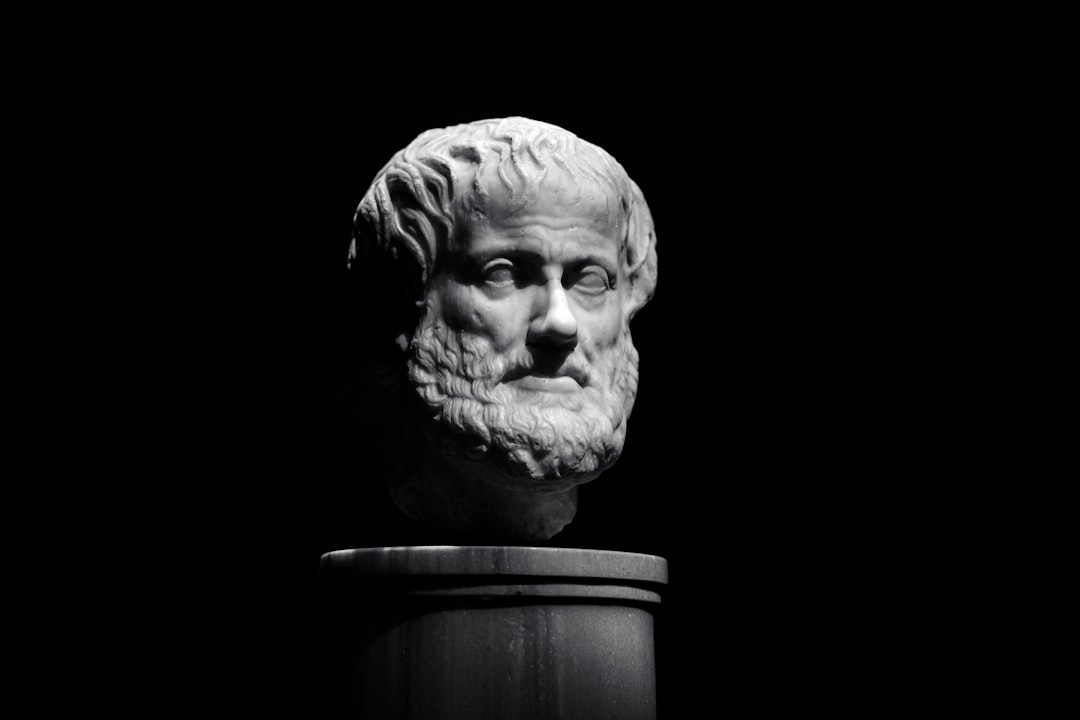

Welcome to Stoicism Secrets! Today, we’re going to talk about something really interesting: Stoicism.
Have you ever wondered why some people stay calm even when things get tough? Or how to worry less about things you can’t control? That’s where Stoicism in simple terms comes in.
It’s not a fancy philosophy with big, complicated words. It’s a way of looking at life. A way that helps you live better.
Imagine a calm harbor during a storm. Stoicism helps you be that calm harbor. No matter what waves hit you.
So, let’s break down what is Stoicism in simple terms. We’ll discover how it can help you every single day.
Think of Stoicism as a toolbox for your mind. It’s filled with simple tools. These tools help you deal with life’s ups and downs.
It’s an ancient way of thinking. People have been using it for over 2,000 years. Imagine that!
It’s not about being emotionless. It’s not about being a robot. It’s about being smart with your emotions.
It teaches you to focus on what you can control. And to let go of what you can’t. That’s a core idea in Stoicism in simple terms.
A Quick History Lesson (Don’t Worry, It’s Short!)
Stoicism started a long, long time ago. In ancient Greece. A man named Zeno had a rough day. He lost everything in a shipwreck.
But instead of falling apart, he went to a bookstore. He heard a philosopher talking. And something clicked.
He started teaching his own ideas. He taught them in a place called the “Stoa Poikile.” That’s where the name “Stoicism” came from.
Later, amazing people like Seneca, Epictetus, and Marcus Aurelius practiced it. They were powerful leaders and thinkers. They all found wisdom in Stoicism in simple terms.
They used it to handle war, loss, and even being an emperor! Pretty impressive, right?
If you’re interested in learning more about Stoicism and how it can be applied in today’s world, you might find this article helpful: Beginner’s Guide to Modern Stoicism. It provides a comprehensive overview of Stoic principles and practical advice for incorporating them into your daily life, making the philosophy accessible for beginners and seasoned practitioners alike.
Focus On What You Can Control
This is probably the biggest idea in Stoicism in simple terms. It’s super important.
Think about your day. Some things you can choose. Like what you eat for breakfast. Or how you react when someone is rude.
Other things? You can’t control them. Like the weather. Or what other people say about you. Or if your bus is late.
Stoicism says: Don’t waste your energy on things you can’t control. It’s like trying to push a rope. It won’t go anywhere.
The Two Buckets
Imagine you have two buckets. One is labeled “My Control.” The other is “Not My Control.”
Every time something happens, you put it in one of the buckets.
Is it in the “My Control” bucket? Great! Work on it. Do your best.
Is it in the “Not My Control” bucket? Let it go. Don’t worry. Don’t stress.
This simple exercise can change your whole day. It helps you understand what is Stoicism in simple terms.
An Everyday Example
Let’s say you’re stuck in traffic. You can’t control the traffic. It’s in the “Not My Control” bucket.
Getting angry won’t make the traffic move faster. It just makes you miserable.
What can you control? Your reaction. You can listen to a podcast. Or practice deep breathing. Or just enjoy the quiet.
This choice is powerful. It’s a key part of Stoicism in simple terms. It changes a bad situation into a neutral one. Or even a peaceful one.
How to Deal With Difficult Emotions

Life isn’t always sunshine and rainbows. We all feel sad, angry, or frustrated sometimes. That’s human.
Stoicism doesn’t say “don’t feel.” It says “understand your feelings.” And “don’t let them control you.”
Think of emotions like waves in the ocean. They come and go. You don’t have to be swept away by them.
Recognizing Your Feelings
When you feel a strong emotion, pause. Just notice it.
“I feel angry right now.” “I feel anxious about this presentation.”
Don’t judge yourself for feeling it. Just acknowledge it. This is a practice in Stoicism in simple terms.
Asking “Why?”
Now, ask yourself: Why do I feel this way?
Is it because of something I can control? Or something I can’t?
Maybe you’re angry because someone cut you off in traffic. You can’t control their driving.
But you can control your angry thoughts. You can choose to calm yourself.
This is a mental muscle you build. The more you practice, the stronger it gets. It’s a cornerstone of what is Stoicism in simple terms.
Facing Challenges With a Clear Mind
Life throws curveballs. We all know that. A job loss. A big illness. A broken relationship.
These things are tough. But Stoicism offers a way to face them. With strength and wisdom.
It’s about seeing challenges as opportunities. Opportunities to practice your inner strength.
Think of an athlete training. They lift heavy weights. It’s hard. But it makes them stronger. Challenges are like those weights for your mind. They make you stronger. That’s a core teaching of Stoicism in simple terms.
The View From Above
Imagine you’re floating above your problem. Looking down.
From up there, your big problem might look smaller. You might see solutions you didn’t see before.
This is a Stoic practice. It helps you get perspective. It helps you see the bigger picture.
It reminds you that this moment will pass. Like all moments do.
It’s another simple yet powerful tool in the Stoicism in simple terms toolbox.
“Premeditation of Evils” (A Fancy Name For a Simple Idea)
This sounds scary, but it’s not. It’s actually quite helpful.
It means thinking about bad things that might happen. Not to worry, but to prepare.
For example, before a big trip, you might think: “What if my flight is canceled?”
You’re not hoping it happens. But if it does, you’ve already thought about it. You’ve thought about what you would do.
This makes you less surprised. And less stressed. If it happens, you’re ready. If it doesn’t, great! You still practiced being ready.
This is a practical tool for daily life. A key part of what is Stoicism in simple terms.
If you’re interested in understanding Stoicism in simple terms, you might find it helpful to explore how Stoic principles can be applied in everyday situations. A related article discusses the Stoic rule for staying calm when people disrespect you, which highlights practical strategies for maintaining composure and emotional resilience. You can read more about this insightful approach to handling disrespect by following this link.
Why Is This Important For Us Today?
<?xml encoding=”UTF-8″>
| Aspect | Description |
|---|---|
| Definition | Stoicism is a philosophy that teaches the development of self-control and fortitude as a means of overcoming destructive emotions. |
| Key Figures | Zeno of Citium, Seneca, Epictetus, Marcus Aurelius |
| Core Principles | Acceptance of things beyond our control, focus on what we can control, and living in accordance with nature. |
| Practical Application | Stoicism encourages individuals to cultivate virtues such as wisdom, courage, justice, and temperance in their daily lives. |
You might think, “This is old stuff. Does it really matter now?”
Yes, it does. More than ever.
Our world is busy. Full of news, social media, and constant demands. It’s easy to feel overwhelmed.
Stoicism in simple terms offers a calm anchor. It helps you navigate the noise.
It teaches you to find peace within yourself. Not to rely on outside things for happiness.
Finding Inner Peace
Many people chase happiness through things. A new phone. A new car. A perfect holiday.
These things can make us happy for a little while. But then the feeling fades.
Stoicism teaches that true peace comes from within. From your thoughts. From your character.
It’s about being a good person. Being kind. Being honest. Being wise.
These are things you always control. And they bring lasting peace. This is a beautiful aspect of what is Stoicism in simple terms.
Living a Fulfilling Life
What does a good life look like to you?
Stoicism says a good life is lived with virtue. With good character.
It’s about doing the right thing. Even when it’s hard.
It’s about being brave. Being fair. Being wise. And having self-control.
When you focus on these things, your life naturally becomes more fulfilling. You feel better about yourself. And that’s a main goal of Stoicism in simple terms.
If you’re interested in understanding Stoicism in simple terms, you might also find it beneficial to explore how Stoic principles can enhance your focus in today’s distracted world. A related article discusses practical techniques for applying Stoicism to improve concentration and mindfulness, which can be incredibly useful in our fast-paced lives. You can read more about this topic in the article on Stoicism training for focus.
Putting It All Into Practice
So, how do you start using Stoicism in simple terms? You don’t need to read huge books. Or go to a special school.
You can start right now. With small steps.
Remember, it’s a practice. Like learning a new skill. The more you do it, the better you get.
Start Your Day With Intention
When you wake up, take a moment. Before you check your phone.
Think about your day. What challenges might come up? How will you handle them with wisdom and calm?
Remind yourself to focus on what you control.
“Today, I will do my best. And what I can’t control, I will accept.” This is a powerful daily affirmation rooted in what is Stoicism in simple terms.
Reflect At The End Of Your Day
Before you go to bed, think back.
What went well today?
What didn’t go so well?
How did you react to challenges?
Could you have done better?
This isn’t about judging yourself harshly. It’s about learning. It’s about growing.
It’s like a mental review. It helps you improve for tomorrow.
This simple reflection is a cornerstone of applying Stoicism in simple terms.
Read More
You don’t need to be an expert. But reading small bits here and there helps.
Look up quotes by Seneca or Marcus Aurelius. Read a short article. Even just a few sentences can spark a new thought.
Our website, Stoicism Secrets, is here for you. To make these ideas easy to understand.
A Final Thought on Stoicism in Simple Terms
What is Stoicism in simple terms? It’s a journey. Not a destination.
It’s a daily practice of becoming a little bit calmer. A little bit wiser. A little bit stronger.
It’s about knowing yourself. And mastering yourself. So that life doesn’t master you.
It’s about living a good life. No matter what comes your way.
So, take a deep breath. You’ve got this. Start small. And watch how these ancient ideas can bring peace and clarity to your modern life.
FAQs
What is Stoicism?
Stoicism is a school of philosophy that originated in ancient Greece, founded by Zeno of Citium in the early 3rd century BC. It teaches the development of self-control and fortitude as a means of overcoming destructive emotions and achieving a state of inner peace.
What are the key principles of Stoicism?
The key principles of Stoicism include the belief in the importance of virtue, the idea that we should focus on what is within our control and accept what is not, and the practice of self-discipline and self-control in the face of adversity.
How does Stoicism differ from other philosophies?
Stoicism differs from other philosophies in its emphasis on the development of inner strength and resilience in the face of life’s challenges. It also places a strong emphasis on the importance of living in accordance with nature and the pursuit of virtue.
Who were some famous Stoic philosophers?
Some famous Stoic philosophers include Zeno of Citium, Seneca, Epictetus, and Marcus Aurelius. These philosophers made significant contributions to the development and popularization of Stoic philosophy.
How can Stoicism be applied in daily life?
Stoicism can be applied in daily life by practicing self-awareness, focusing on what is within our control, and cultivating virtues such as wisdom, courage, and justice. It also involves accepting the inevitability of change and adversity, and maintaining a sense of inner calm and tranquility.
