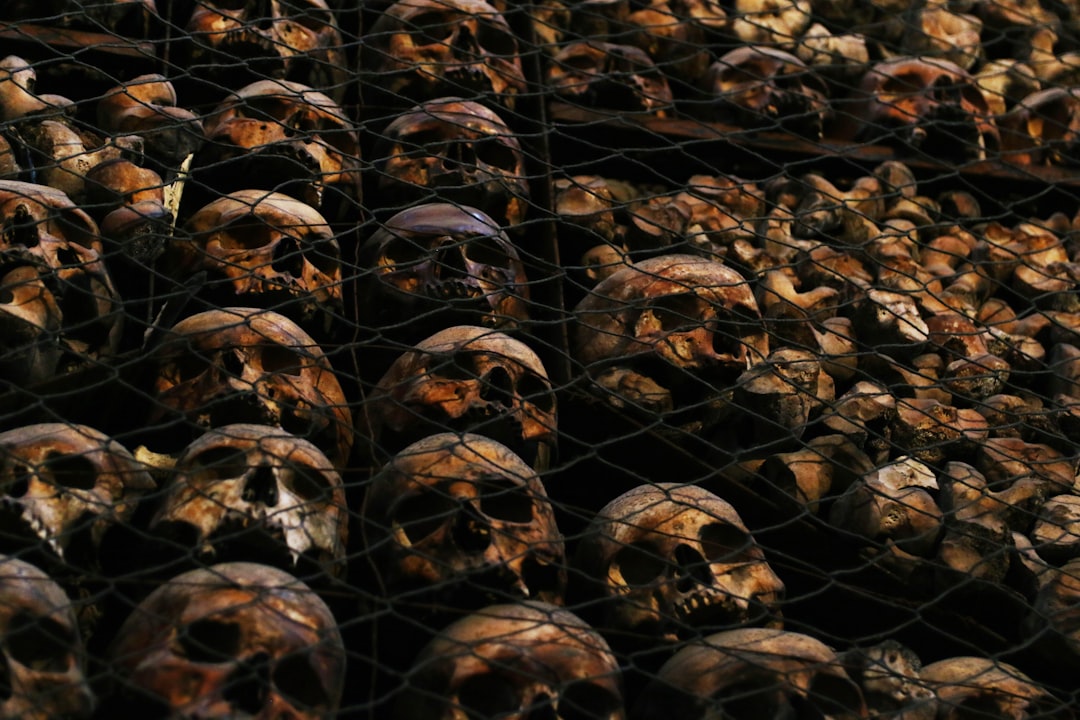

What Does “Memento Mori” Mean in Stoicism?
Life can feel long sometimes. We all get busy. We forget what’s important. Stoicism offers a way to look at things. It helps us find peace. One big idea in Stoicism is “memento mori.” What does that actually mean for us, today? Let’s break it down. It’s simpler than you might think.
The Big Idea: Remember You Will Die
At its heart, “memento mori” is Latin. It means “remember you will die.” That sounds a bit grim, doesn’t it? Like something from a spooky story. But for the Stoics, it was the opposite. It was a tool for living a better life. They weren’t just being morbid. They were being practical.
Think of it like a reminder on your fridge. Not a reminder to buy milk. A reminder of something much bigger. A reminder that your time here is limited. It’s a quiet nudge. It helps us focus. It helps us see what truly matters.
Why Would Anyone Want to Remember Death?
This is the question most people ask. It seems strange. Why dwell on something sad? The Stoics saw it differently. They believed that thinking about death helps us appreciate life. It’s like knowing a favorite toy will eventually break. You’ll play with it more. You’ll cherish it while it lasts.
This isn’t about being scared. It’s about being present. It’s about not wasting the moments we have. If we think we have forever, we tend to put things off. We might say “I’ll call my friend next week.” Or “I’ll apologize tomorrow.” Death reminds us that “next week” or “tomorrow” might not come.
The Difference Between Memento Mori and Fear of Death
It’s important to understand this distinction. Memento mori is not about being afraid to die. Fear can paralyze us. It can make us anxious. The Stoic practice of memento mori is about accepting the reality of death. It’s about using that reality to live more fully.
Imagine you’re going on a long trip. You know you have to pack. You wouldn’t worry about every single sock. But you would make sure you have the essentials. You’d focus on what’s important for the journey. Memento mori helps us pack for our life journey. It helps us focus on the essentials.
This isn’t about being gloomy or depressed. It’s about a calm acceptance. It’s about seeing death as a natural part of life. Like birth, like growing up, like getting old. It’s a certainty for everyone.
How Memento Mori Helps Us Live Better
So, how does thinking about the end help us live now? It has several key benefits. Let’s look at some of them. They are simple ideas. They can make a big difference.
Focusing on What Truly Matters
When you know your time is limited, you start to question things. You ask yourself: Is this really important? Is this argument worth my energy? Is this worry worth my peace of mind?
Think about a time you were very busy. Maybe you had too many tasks. You had to choose what to do first. You probably focused on the most urgent things. You ignored the less important ones. Memento mori is like that, but for your whole life. It helps you see the truly urgent things: love, kindness, learning, doing good.
It helps us let go of small annoyances. The traffic jam. The rude comment. The spilled coffee. These things seem much less important when you remember the bigger picture. Your life is short. Why waste it on these tiny frustrations?
Encouraging Gratitude
When we remember that life is finite, we often become more grateful. We start to appreciate the simple things. A beautiful sunset. A warm cup of tea. A conversation with a loved one. These are not guaranteed.
Imagine you’re eating your favorite meal. You know it’s the last plate you’ll ever have. You’d probably savor every bite. You’d enjoy it more. Memento mori helps us savor every moment of our lives. It makes us thankful for what we have. We are thankful for the people in our lives. We are thankful for the experiences we have.
This isn’t forced or fake gratitude. It’s a natural response to recognizing the preciousness of life. It’s a deep appreciation for the present moment. Because the present moment is all we truly have.
Improving Our Relationships
We often take people for granted. We assume they will always be there. Memento mori challenges this. It reminds us that our time with loved ones is limited. This can inspire us to be more present with them.
Think about calling your parents. Or spending time with your best friend. If you think you have endless tomorrows, you might put it off. But with memento mori in mind, you might pick up the phone today. You might have that deep conversation. You might express your love.
This means being more patient too. Forgiving mistakes more easily. Because our time together is precious. We want to fill it with love and understanding, not grudges. It helps us connect more deeply. We become better partners, friends, and family members.
Making Better Decisions
When faced with a difficult choice, memento mori can be a guide. It helps us ask: “In the grand scheme of things, how important is this?” Or “What would be the wisest thing to do if this were my last day?”
Imagine you have to decide between a job that pays a lot but makes you miserable. And a job that pays less but gives you joy and purpose. If you’re just focusing on the present paycheck, one might seem better. But if you think about your whole life, the second job might be the wiser choice. It’s about living a life you won’t regret at the end.
This isn’t about impulsiveness. It’s about clarity. It’s about aligning our actions with our deepest values. It’s about living a life that feels meaningful to us. It’s about making choices that reflect what truly matters in the long run.
Reducing Anxiety and Fear
Paradoxically, accepting death can reduce our anxiety about it. When we resist something, it often becomes more powerful. When we try to push death away, we can become more afraid.
By acknowledging it, by seeing it as a natural part of life, we disarm it. We take away its power to scare us. It becomes less of a monster under the bed. And more of a natural transition.
This acceptance allows us to face other fears too. If we can accept the biggest certain event of our lives, other worries can seem smaller. They can lose some of their sting. We become more resilient. We can handle challenges with more grace.
Practical Ways to Practice Memento Mori
So, how do we actually bring this idea into our lives? It doesn’t require grand gestures. Small, consistent practices can be very effective. Here are some simple ways to start.
Keep a Journal
One way is to write. You can keep a journal. Each day, or a few times a week, write down a thought about mortality. It could be a simple observation. “The leaves are falling. It reminds me that seasons change, just like life.” Or “I saw an old photo today. It made me realize how much time has passed.”
This isn’t about dwelling on sadness. It’s about making the abstract concept more concrete. It’s about connecting with the reality of time passing. It helps us be more mindful of our days. It’s a way to reflect on life.
Visualize Your Last Day
Imagine it’s your last day on Earth. What would you want to have done? What would you want to have said? Who would you want to have spent time with?
This isn’t a morbid exercise. It’s a powerful way to clarify your priorities. It helps you see what’s truly important. It’s like looking at your life from a distance. It helps you make changes today. You can start living the life you want. You can start now.
Focus on Your Virtues
Stoicism emphasizes living a virtuous life. This means being wise, just, courageous, and temperate. Memento mori reminds us to practice these virtues every day. Because tomorrow might not come.
Am I being wise in my choices? Am I acting justly towards others? Am I showing courage when faced with challenges? Am I temperate in my desires and reactions? These questions help us live a life of purpose. They help us build character. It’s about becoming the best version of ourselves.
Reflect on the Impermanence of Things
Look around you. Notice how everything changes. A flower blooms and then wilts. A building is built and then eventually decays. Even mountains erode over time.
This observation of impermanence in the world around us reinforces the idea. It shows us that nothing lasts forever. Not our possessions. Not our achievements. Not even our physical bodies. This understanding can lead to a less anxious attachment to material things. It can free us up.
Spend Time in Nature
Nature is a great teacher of impermanence. Watch the seasons change. See how life and death are intertwined. A fallen tree decomposes and nourishes new growth. This natural cycle can be incredibly grounding.
In nature, we see that change is constant. That endings lead to new beginnings. It mirrors the cycle of life itself. Spending time outdoors can bring a sense of calm. It can help us see our place in the larger scheme of things. We become more at peace with the natural flow of life and death.
Consider the Lives of Great Figures
Think about historical figures. Kings, queens, artists, scientists. Many of them are long gone. Their empires have crumbled. Their art may still exist, but their personal presence is gone.
This perspective reminds us that everyone, no matter how famous or powerful, eventually passes away. Their achievements and struggles become part of history. This can help us put our own worries and ambitions into perspective. We are all part of a larger human story.
The Stoic View on Legacy
For Stoics, the idea of legacy is also framed by memento mori. It’s not about amassing fame or fortune that will outlast you. It’s about the impact you have on others. It’s about the character you build.
Did you live with integrity? Did you treat people with kindness? Did you contribute to the well-being of others? These are the things that truly matter, not how many statues are built in your name. Your actions and your character leave a ripple. That ripple is your true legacy.
Memento Mori in Modern Life
How does this ancient idea fit into our busy modern world? It’s perhaps more relevant than ever. We are bombarded with distractions. We are encouraged to chase endless possessions and fleeting pleasures.
Memento mori acts as an anchor. It pulls us back to what is real. It helps us resist the pressure to constantly acquire and achieve. It encourages us to find contentment in the present. It’s a way to find inner peace.
Think about social media. We see curated versions of people’s lives. We can feel pressured to keep up. Memento mori can remind us that this is a performance. It’s not the whole story. It helps us focus on our own authentic journey. It encourages us to be true to ourselves.
It’s also about a healthy perspective on our work and our goals. Are we working ourselves to death for something that won’t truly bring us happiness? Or are we seeking a balance? A life that is meaningful and fulfilling, even if it’s not spectacular by external standards.
The Calm Assurance of Memento Mori
So, to bring it all together, “memento mori” is not a dark command. It’s a gentle invitation. An invitation to pay attention. To appreciate. To live fully.
It’s about understanding that life is a precious gift. And like all gifts, it has an end. Recognizing this helps us to not waste it. It helps us to focus on what is good. It helps us to be better people.
The Stoics believed that by regularly contemplating our mortality, we could live more wisely today. We could find a deeper sense of peace. We could make our lives more meaningful. This simple, ancient practice still holds great power for us. It’s a secret to a more peaceful and fulfilling life. It’s a way to live without regrets.
FAQs
What is the meaning of “Memento Mori” in Stoicism?
“Memento Mori” is a Latin phrase that translates to “remember that you will die.” In Stoicism, it serves as a reminder of the impermanence of life and the inevitability of death. It encourages individuals to reflect on their mortality and live each day with purpose and virtue.
How does “Memento Mori” relate to Stoic philosophy?
In Stoic philosophy, “Memento Mori” is a central concept that emphasizes the importance of embracing the reality of death as a natural part of life. It encourages individuals to live in the present moment, prioritize what truly matters, and cultivate a sense of gratitude and perspective.
What is the significance of “Memento Mori” in Stoicism?
The significance of “Memento Mori” in Stoicism lies in its ability to prompt individuals to confront their mortality and contemplate the transient nature of life. By acknowledging the inevitability of death, Stoics believe that one can gain a deeper appreciation for life and make more meaningful choices.
How can one incorporate “Memento Mori” into their daily life?
Incorporating “Memento Mori” into daily life involves regularly reflecting on the brevity of life and the certainty of death. This practice can inspire individuals to prioritize their values, make the most of their time, and approach challenges with resilience and wisdom.
What are some examples of “Memento Mori” in art and culture?
Throughout history, “Memento Mori” has been depicted in various forms of art and culture, such as paintings, sculptures, and literature. For example, Renaissance art often featured symbols of mortality, such as skulls and hourglasses, to remind viewers of the transient nature of life. Additionally, certain philosophical writings and religious traditions incorporate themes of “Memento Mori” to convey similar messages about mortality and the human condition.
