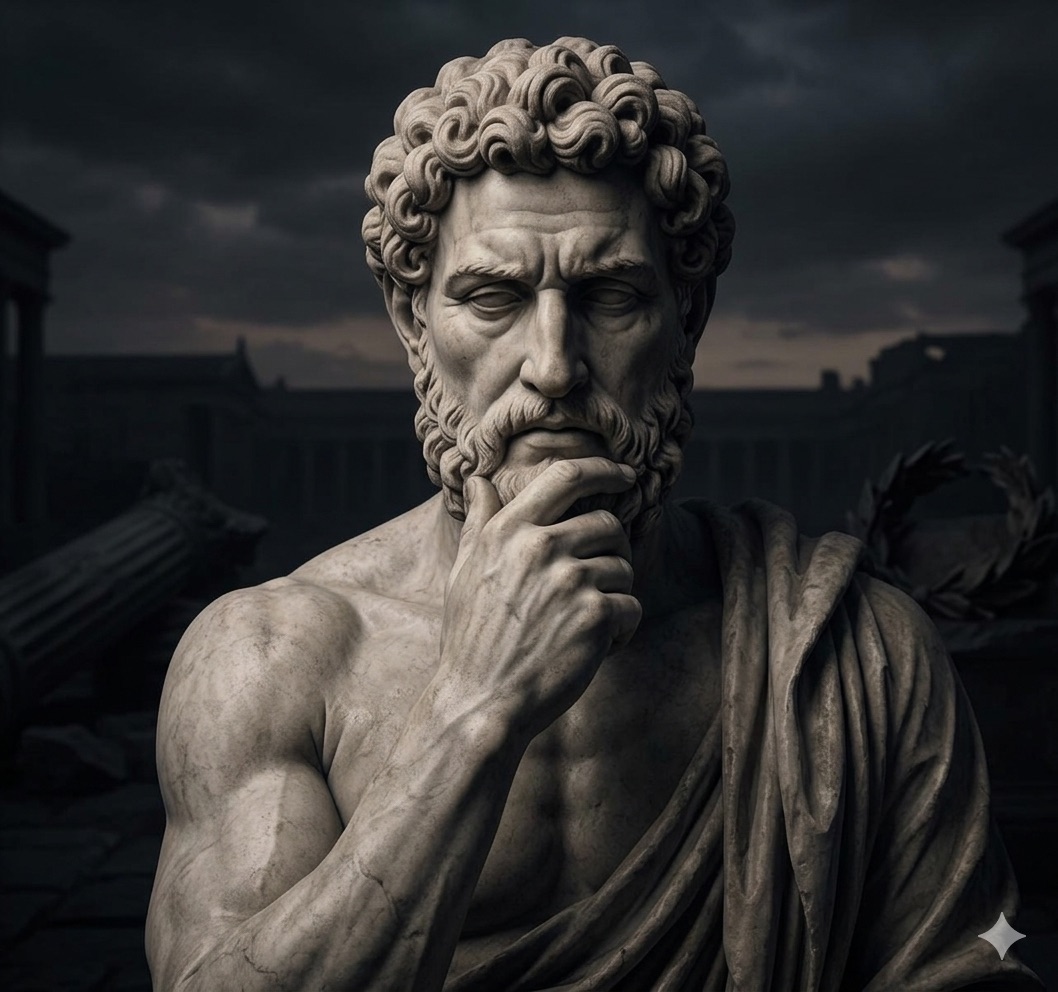

Letting go. It’s a phrase we hear a lot. We might say it when something doesn’t work out. Or when we feel stuck. But what does it really mean? Especially in the way the old Stoics thought about it?
It’s about finding peace. Even when things are tough. It’s about not holding on too tight. To things we can’t control.
This isn’t about giving up. Not at all. It’s about being smart. With our energy and our feelings. We’ll explore how to do this. Step by step. Think of it as learning a new skill. For a calmer life.
Imagine a garden. You plant seeds. You water them. You give them sun. This is what you can control.
But can you control the weather? No. A big storm can come. It can ruin your plants. This is out of your hands.
The Stoics were very clear on this. There are things we can influence. And things we absolutely cannot.
The Dichotomy of Control
This is a fancy name. For a very simple idea. Some things are up to us. Others are not.
What’s up to us? Our thoughts. Our ideas. Our choices. How we react. Our judgments.
What’s not up to us? Other people’s actions. Their opinions. What happens in the world. The past. The future. Even our own bodies sometimes. Like getting sick.
Focusing Your Energy Wisely
When we try to control what we can’t, we get frustrated. It’s like pushing a giant rock uphill. It’s exhausting. And usually doesn’t move.
But when we focus on what we can control, things change. We plant more seeds. We water them well. We accept the storm if it comes.
This is where the real power lies. In directing our attention. To the right places. It’s like a flashlight. You point it where you want to see.
In exploring the themes presented in “The Stoic Art of Letting Go,” readers may find it beneficial to delve into a related article that discusses the Stoic perspective on closure and acceptance. This article, titled “Why Stoics Let Things End Without Chasing Closure,” provides valuable insights into how Stoicism encourages individuals to embrace the natural endings of experiences rather than seeking unnecessary resolutions. For a deeper understanding of these concepts, you can read the article here: Why Stoics Let Things End Without Chasing Closure.
The Pain of Clinging Too Tightly
Think about a kite. It needs wind to fly. But if you hold the string too tightly, it can’t dance in the sky. It wobbles. It crashes.
We often do this with our lives. We hold onto things. Too tightly. We don’t want them to change. Or disappear.
This clinging causes a lot of pain. Because change is constant. Life is always moving.
Holding Onto Possessions
We buy things. We love them. We worry about them. What if they break? What if they’re stolen? This worry steals our peace.
The Stoics knew. All material things are temporary. They will be lost or ruined eventually. It’s not a sad thought. It’s just a fact.
If we accept this, we can enjoy our things. Without the fear of losing them. We can use them. Without being owned by them.
Clinging to Relationships
People come and go. Friends move away. Family members pass on. Even our closest bonds can change. This is a hard truth.
When we expect relationships to last forever. Exactly as they are. We set ourselves up for disappointment. Or deep sorrow.
It’s okay to cherish people. To love them deeply. But understand they are on their own journey. As are we.
The Illusion of Permanence
We like things to stay the same. We want our favorite cafe to always be there. We want our loved ones to always be healthy. We want our jobs to be secure.
But the world is a river. Always flowing. Nothing stays still. This is not a bad thing. It’s just how life works.
Believing things will last forever is like trying to catch smoke. It’s an illusion. And we get burned by trying.
The Freedom That Comes with Letting Go

Letting go isn’t about being cold. Or detached. It’s about being free. Free from the burden of worry. Free from the pain of loss.
When we let go, we open ourselves up. To new possibilities. To more joy. Even when things are difficult.
It’s like shedding a heavy coat. In the warmth of spring. You feel lighter. You can move more freely.
Releasing Expectations
We all have expectations. About how life should be. About how people should act. About how we should feel.
When things don’t match our expectations, we get upset. We feel wronged. We resist reality.
The Stoics taught us to question our expectations. Are they realistic? Are they helping us? Or are they just causing us pain?
Accepting What Is
This is a big one. Accepting reality. Not fighting it. Not wishing it were different.
It doesn’t mean you like it. Or that you won’t try to change things for the better. It means you acknowledge what is happening. Right now.
Imagine you’re stuck in traffic. You can honk. You can yell. Or you can put on some music. And accept you’ll be late. The music feels better.
Finding Peace in Uncertainty
Life is full of the unexpected. We can’t predict everything. We can’t plan for every eventuality.
Holding onto the illusion of control. Because we fear uncertainty. It’s like trying to hold back the tide.
True peace comes from accepting. That we don’t have all the answers. And that’s okay. The universe unfolds as it will.
How to Practice Letting Go Each Day

This is not something you learn overnight. It’s a practice. Like learning to ride a bike. You fall. You get back up. You try again.
We can start small. With everyday things. Little moments of letting go.
Start with Small Annoyances
Did your coffee order get messed up? Did someone cut you off in line? These are small things.
Instead of getting angry, try to let it go. It happened. It’s over. Focus on your breath. Move on.
This builds the muscle. For bigger challenges. Each small success matters.
Reframe Your Thoughts
When something bad happens, our minds jump to the worst. We create stories. We assign blame.
Try to ask yourself: What can I learn from this? How can I see this differently? Is there a silver lining?
It’s about choosing your thoughts. Even when you’re upset. You have the power to shift your perspective.
Practice Gratitude
When we focus on what we have. What’s going well. We have less time to dwell on what’s missing. Or what’s gone wrong.
Make a list. Even in tough times. There are always things to be thankful for. Your health. A friend. A warm bed.
Gratitude shifts your focus. From lack. To abundance. It’s a powerful antidote to clinging.
Meditate on Impermanence
Take a few minutes each day. To sit quietly. Think about change.
Think about a flower. It blooms brilliantly. Then it withers. It’s a natural cycle.
Holding this idea in your mind. Helps you accept change. In your own life. And in the lives of others.
In exploring the principles of The Stoic Art of Letting Go, one might find it insightful to consider how Stoicism can be perceived in various lights. For a deeper understanding of this philosophy, you can read about whether Stoicism is toxic or healthy in a related article that delves into the nuances of its practice. This examination can provide valuable context for those looking to embrace the art of letting go while maintaining a balanced perspective on Stoic teachings. You can find the article here: is Stoicism toxic or healthy.
Letting Go of the Past
| Key Concepts | Explanation |
|---|---|
| Acceptance | Recognizing and accepting things that are beyond our control. |
| Detachment | Letting go of attachments to outcomes and external circumstances. |
| Resilience | Building inner strength to endure hardships and challenges. |
| Focus on Virtue | Emphasizing moral and ethical values in decision-making and actions. |
| Embracing Impermanence | Understanding that everything is temporary and constantly changing. |
The past is a story. We keep telling ourselves. It’s over. It’s done. But we can still be stuck there.
We replay mistakes. We hold grudges. We imagine what could have been.
The Stoics understood. The past cannot be changed. Dwelling on it. Is a waste of precious time.
The Burden of Regret
Regret is a heavy backpack. We carry it everywhere. It weighs us down. It stops us from moving forward.
If you made a mistake, learn from it. Make amends if you can. Then let it go. You did the best you could. With what you knew then.
There’s no point in beating yourself up. For past actions. It just creates more suffering.
Forgiving Others and Yourself
Holding onto anger. Towards someone who hurt you. Is like drinking poison. And expecting the other person to die.
Forgiveness is not for them. It’s for you. It’s about releasing yourself. From the grip of resentment.
This includes forgiving yourself. For your own shortcomings. We are all imperfect.
Releasing the “What Ifs”
The “what ifs” are like ghosts. Haunting your present. They distract you. They steal your joy.
What if I had taken that job? What if I had said something different? These questions lead nowhere.
The present moment is all you have. Focus your energy here. On what you can do now.
Letting Go of the Future
We spend a lot of time worrying. About what might happen. We try to plan for every eventuality.
This anxiety. This constant planning. Can keep us from enjoying today.
The Stoics reminded us. The future is uncertain. We can prepare. But we can’t guarantee.
The Illusion of Control Over Outcomes
We want to know the outcome. Of our efforts. We want success. We want happiness.
But life doesn’t always follow our script. Sometimes our best efforts don’t yield the results we hoped for.
Trying to control the outcome. Is like trying to hold water in your hands. It slips through your fingers.
Embracing the Present Moment
This is perhaps the hardest part of all. To truly be here. Now.
When you’re eating, just eat. When you’re talking to someone, just listen. When you’re walking, just walk.
Be present. Fully engaged. With whatever is happening. This is where life is lived.
Trusting the Process
The Stoics believed. That the universe had a plan. Or at least a natural order.
Trusting this process. Even when things are confusing. Or difficult. Is a form of letting go.
It’s about having faith. That things will work out. In their own way. Even if it’s not how you imagined.
The Ongoing Journey of Mastering Letting Go
This isn’t a destination. It’s a journey. A lifelong practice. There will be days. When you feel like you’ve lost your grip. That’s okay.
The important thing is to keep practicing. To keep coming back. To these simple Stoic ideas.
Letting go is a gift. You give to yourself. It’s the freedom. To live more fully. More peacefully.
A Continuous Cycle
Every day. We face new challenges. New things to accept. New things to release.
It’s like a gardener. Who weeds the garden. Regularly. To keep it healthy.
We too must tend to our inner garden. Pulling out the weeds of resistance. And nurturing the flowers of acceptance.
Finding Strength in Surrender
There’s a surprising strength. In letting go. It doesn’t mean weakness. It means wisdom.
It’s the strength. To face whatever comes. Without being broken. It’s resilience.
Surrendering to what you cannot control. Frees you up. To act powerfully. On what you can.
A Path to Inner Calm
Mastering the Stoic art of letting go. Is a path. To lasting inner calm.
It helps you navigate life’s storms. With a steady hand. And a peaceful heart.
You learn to float. Instead of fighting the current. And that’s a beautiful way to live.