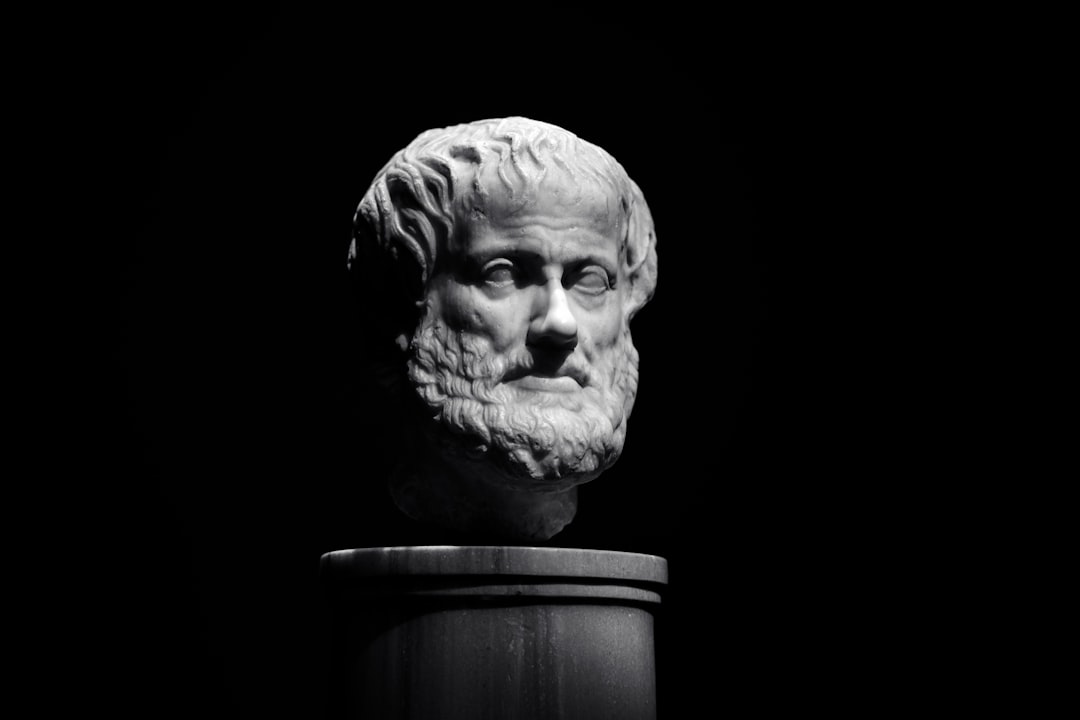

Is Stoicism Toxic or Healthy?
Welcome back to Stoicism Secrets. Today we’re talking about something important. Some people wonder if Stoicism is good for us. Or if it’s actually bad. Let’s explore this together. We’ll break it down simply. Like we always do here. Think of it as a friendly chat. About big ideas.
Stoicism: A Quick Look Back
Before we dive into whether it’s toxic or healthy, let’s remember what Stoicism is. It’s an old way of thinking. It started in ancient Greece. Then it grew in Rome. The main idea is about living a good life. A life that feels right. It focuses on what we can control. And what we can’t.
It’s not about being emotionless. That’s a common misunderstanding. Stoics felt feelings. Of course they did. They were just humans. The goal was to understand feelings. And not let them rule you. Think of it like a puppy. A puppy has lots of energy. You can let it run wild. Or you can teach it some good manners. Stoicism teaches us good manners for our minds.
In exploring the nuances of Stoicism and its impact on modern life, it’s essential to consider various perspectives on the philosophy’s application. A related article that delves into the contributions of contemporary thinkers who embody Stoic principles can be found at this link: List of Modern-Day Stoic Philosophers. This resource highlights how these philosophers interpret Stoicism in today’s context, providing insights that can help determine whether the philosophy is ultimately toxic or healthy for individuals seeking resilience and clarity in their lives.
Common Worries About Stoicism
Let’s talk about the “toxic” part. Why do some people worry? One big fear is that Stoicism makes you cold. Like a robot. Or that it tells you to ignore your problems. Or to pretend bad things are good. This sounds pretty unhealthy. And if that’s what Stoicism was, it would be toxic.
Another worry is that it’s too hard. Like you have to be perfect all the time. Always strong. Always calm. That sounds exhausting. And nobody is like that. Humans have ups and downs. Life throws curveballs.
These worries come from taking things too far. Or from misunderstanding the original ideas. Let’s look closer.
Stoicism Isn’t About Ignoring Feelings
This is super important. Stoicism is NOT about stuffing your feelings down. Or pretending you don’t feel sad. Or angry. Or frustrated. That’s not healthy at all. Imagine you stub your toe. You’re going to feel pain. Stoicism doesn’t say to grin and bear it without noticing.
Instead, Stoicism teaches us how to deal with feelings. It’s about understanding them. Why am I feeling this way? Is this feeling helping me? Or is it hurting me?
Understanding Your Reactions
When something bad happens, like a friend cancels plans, you might feel disappointed. That’s normal. Stoicism asks you to look at that disappointment. Is it the fact that your friend cancelled that’s the problem? Or is it your idea that they shouldn’t have cancelled?
You see the difference? The event happened. You can’t change that. But you can change your thoughts about it. Your thoughts create a lot of your feelings. Stoicism helps you adjust those thoughts. So your feelings feel more balanced. Not overwhelming.
Not Being Ruled by Emotions
Think of a time you got really angry. Maybe someone cut you off in traffic. You might have honked. Yelled. Felt your face get hot. That feeling took over for a bit. Stoicism teaches you to pause. To think, “Okay, I’m angry. But what good will this anger do?”
Will honking make the other driver a better driver? No. Will yelling make them apologize? Probably not. So the anger is not helping the situation. It’s just making you feel bad. Stoicism helps you recognize this. And choose a different response. This is healthy. It’s not toxic.
Stoicism Focuses on What You Can Control
This is a core idea in Stoicism. There are things in life you can change. And things you can’t.
The Circle of Control
Imagine a small circle drawn around you. Inside that circle are your thoughts. Your opinions. Your desires. Your goals. Your actions. These are yours. You have power over these.
Outside the circle is everything else. Other people’s opinions. What the weather will be. If you get hired for a job. If your favorite team wins. These are outside your control. They are like the wind. You can’t control the wind. But you can decide how to dress for it.
Handling the Uncontrollable
When you focus on what you can’t control, you get frustrated. You worry. You get angry. It’s like trying to stop the tide from coming in. It’s a losing battle. And it makes you very unhappy.
Stoicism says, let go of those things. Accept that they happen. And then turn your attention back to your circle. What can I do right now? How can I act wisely? How can I be kind? How can I do my best?
This isn’t about giving up. It’s about focusing your energy wisely. On the things that actually matter in terms of your own well-being. And your actions.
The debate surrounding the impact of Stoicism on mental health has sparked interest among many, leading to various interpretations of its principles. Some argue that Stoicism can be a healthy framework for managing emotions and fostering resilience, while others caution against its potential to promote emotional suppression. For a deeper exploration of this topic, you might find the article on the nuances of Stoicism and its effects on well-being particularly insightful. You can read more about it here. This discussion helps to clarify whether Stoicism serves as a beneficial philosophy or if it veers into toxic territory.
Stoicism Encourages Virtue, Not Perfection
People sometimes think Stoicism means being perfect. Always making the right choice. Never slipping up. This is a misunderstanding.
The Four Virtues
The ancient Stoics talked about four main virtues. They are:
- Wisdom: Knowing what is good, bad, and indifferent. Making smart choices.
- Justice: Treating others fairly. Being good to people.
- Courage: Facing difficult things. Not running away from challenges. Standing up for what’s right.
- Temperance: Self-control. Not going overboard. Being moderate.
These are not goals of perfection. They are guides. Like a compass. You might not always point perfectly North. But the compass helps you know which way to go.
The Importance of Effort
Stoicism is about the effort. The trying. The practicing. It’s okay to make mistakes. Everyone does. A child learning to ride a bike falls down. They get back up. They try again. That effort is what’s important.
If you try to be wise. If you try to be fair. If you try to be courageous. Even if you don’t always succeed perfectly, you are living a Stoic life. That’s a healthy goal. It’s not about being flawless. It’s about being a good person trying to improve.
Stoicism and Resilience
One of the biggest benefits of Stoicism is building resilience. Life isn’t always smooth sailing. We face challenges. Loss. Disappointment. Setbacks.
Bouncing Back
When things go wrong, some people get knocked down. And they stay down. Stoicism helps you develop inner strength. So when you get knocked down, you can get back up. Faster. Stronger.
Think about training for a sport. You push yourself. You get tired. You might get sore. But that training makes you better. More able to handle the game. Stoicism is like training for life. It prepares you.
Facing Adversity with Calm
Imagine a storm brewing. You can panic. Or you can check your shutters. Make sure your roof is okay. Prepare for what’s coming. Stoicism teaches you that preparation. It helps you face difficult times with a calmer mind. This isn’t about not feeling the fear. It’s about not letting the fear paralyze you.
When you know what you can control and what you can’t, you start to see challenges differently. You don’t waste energy worrying about things you can’t change. You focus on your response. This makes you much more resilient.
Is Stoicism a Form of Escapism?
Some critics might say Stoicism encourages people to escape reality. To detach from the world’s problems. This is another common misunderstanding.
Engagement, Not Disengagement
True Stoicism is about engaging with the world. It’s about being a good citizen. A good friend. A good family member. It’s about acting in the world. But doing so with a clear mind.
The Stoics believed in duty. They believed in contributing to society. Epictetus was a slave who became a teacher. Marcus Aurelius was an emperor. Both were deeply Stoic. They were not trying to hide from their responsibilities. They were trying to live them virtuously.
Facing Reality, Not Denying It
Stoicism asks you to face reality as it is. Not as you wish it were. This means accepting that bad things happen. That people can be difficult. That life can be unfair sometimes.
It’s not about sticking your head in the sand. It’s about acknowledging the harshness. And then deciding how you will respond to it. How you will live your best life despite it. This is a form of strength. Not weakness. It’s about living fully, not escaping.
The Healthy Practice of Stoicism
So, is Stoicism toxic or healthy? When practiced correctly, it is very healthy. It’s a toolkit for navigating life.
It Promotes Calmness
It helps you find a sense of inner peace. Even when things outside are chaotic. This calmness is not emptiness. It’s a steady ship in rough seas.
It Builds Character
It encourages you to be a better person. To act with wisdom, justice, courage, and temperance. This makes you stronger and more reliable.
It Reduces Anxiety
By focusing on what you can control, you worry less. You waste less mental energy on things that are out of your hands. This is a huge relief for many.
It Fosters Gratitude
When you appreciate what you have. And understand what is truly good (like your character and choices). You can feel more grateful. Even for simple things.
It Leads to Meaningful Action
Instead of being tossed about by events, you can choose your actions deliberately. You can make choices that align with your values. This gives life purpose.
A Balanced View
Stoicism is not a magic pill. It won’t instantly make all your problems disappear. Life will still have its difficulties.
But it offers a way to face those difficulties. With more peace. More wisdom. And more strength. It’s about building a strong inner foundation. So that whatever happens, you can stand firm.
It’s like learning to swim. You might still get tumbled by waves. But you know how to stay afloat. You know how to move forward. That knowledge and skill is incredibly valuable.
So, instead of asking if Stoicism is toxic, maybe the better question is: “Am I practicing Stoicism in a way that makes my life better?” Are you focusing on what you can control? Are you trying to be virtuous? Are you using your reason to understand your feelings?
If so, you’re likely experiencing the healthy benefits of this ancient wisdom. It’s a practice. A journey. And one that can lead to a more meaningful and peaceful life.
Thank you for joining us on Stoicism Secrets. We hope this exploration has been helpful. Remember to be kind to yourselves as you continue to explore these ideas. Take care.
FAQs
What is Stoicism?
Stoicism is a school of philosophy that originated in ancient Greece, focusing on personal ethics and the importance of self-control and resilience in the face of adversity.
Is Stoicism toxic?
Stoicism itself is not inherently toxic. However, like any philosophy or belief system, it can be interpreted and applied in ways that may be harmful to individuals or others.
Is Stoicism healthy?
Stoicism can be healthy when practiced in a balanced and mindful manner. It can promote resilience, emotional regulation, and a sense of inner peace when applied in a constructive way.
How can Stoicism be toxic?
Stoicism can become toxic when individuals use it as a justification for suppressing emotions, denying their own needs, or dismissing the experiences and emotions of others.
How can Stoicism be healthy?
Stoicism can be healthy when individuals use its principles to cultivate emotional resilience, maintain perspective in the face of challenges, and practice self-discipline without denying their own emotions and needs.
