
Feeling a little wiggly inside? Like a butterfly is doing acrobatics in your tummy? That’s a bit like anxiety. It’s that fluttery, worried feeling that can pop up when we think about things that might happen. Sometimes it’s hard to shake.
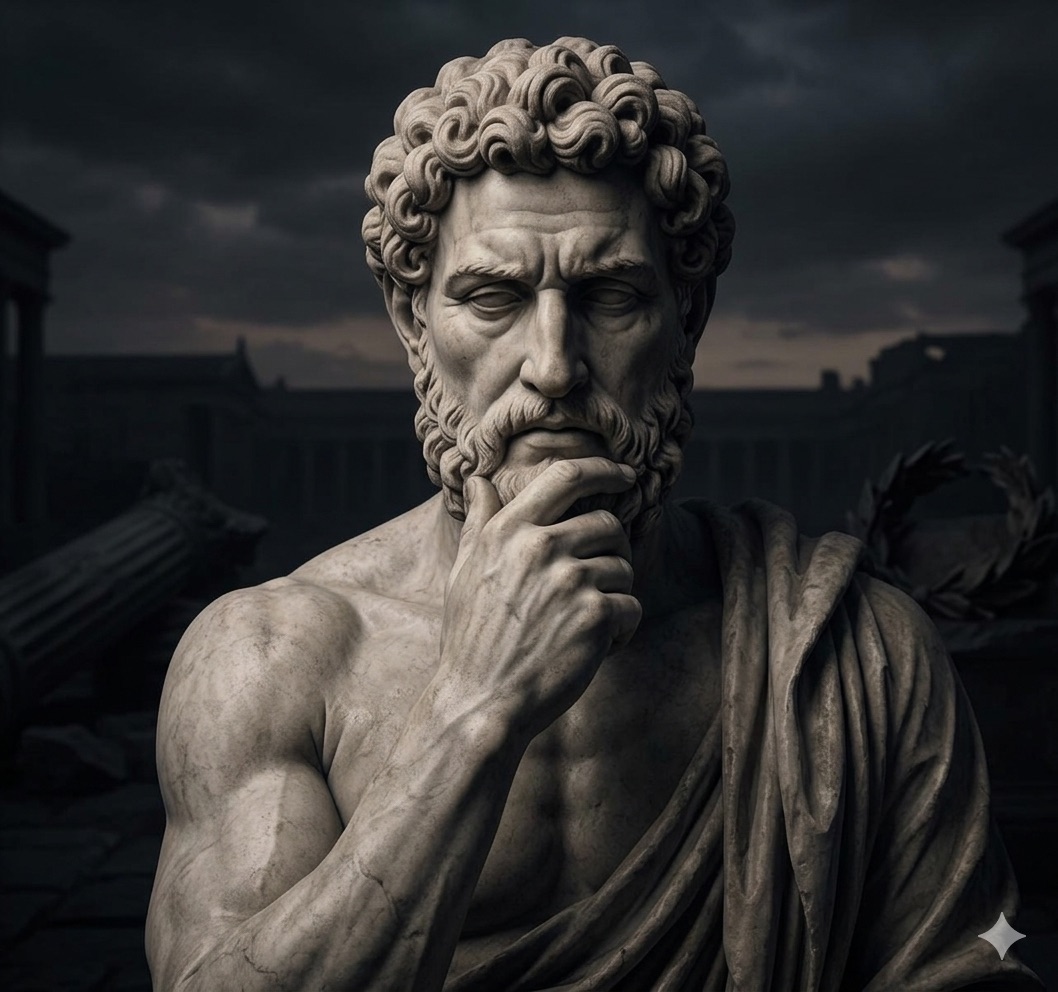
Marcus Aurelius, a Roman emperor from a long, long time ago, had to deal with big worries too. He wrote down his thoughts in a book called “Meditations.” It wasn’t a book for everyone back then. It was like his personal diary of how he tried to be a good person and handle tough stuff. He learned some really smart ways to calm his own anxious thoughts. And guess what? His ideas can still help us today.
Looking at What We Can’t Control
Anxiety often comes from thinking about things we can’t change. Imagine you’re waiting for your turn on the swings. You can’t make the other kids get off faster. Worrying about it won’t help. Marcus knew this. He called these things “externals.”
The Difference Between Inside and Outside
What’s happening inside you is different from what’s happening outside you. Your thoughts and feelings are inside. The weather, other people’s actions, what happens in the news – that’s outside. We have a lot of power over our insides.
Your Imagination Runs Wild
Often, our worries aren’t about what is happening. They are about what might happen. We imagine the worst-case scenario. Your mind paints a picture of something bad. Then your body reacts like it’s already happening. Your heart might beat faster. You might feel uneasy.
Marcus reminded himself to focus on the present moment. The “now” is all we really have. What is happening right now? Is there really a problem right now? Or is it just a thought about the future?
In exploring the insights of Marcus Aurelius on anxiety, it can be beneficial to also consider how Stoic philosophy addresses the challenges of rejection and emotional resilience. A related article that delves into this topic is “The Stoic Guide to Handling Rejection with Dignity,” which provides practical strategies for managing feelings of inadequacy and disappointment. You can read more about it by following this link: The Stoic Guide to Handling Rejection with Dignity. This resource complements Aurelius’s teachings by offering actionable advice on maintaining composure in the face of life’s inevitable setbacks.
Practicing Present Moment Living
When you’re feeling anxious, try to bring yourself back to right now. What do you see? What do you hear? What do you feel with your toes in your shoes? This pulls you out of the swirling thoughts.
A Simple Exercise
Your breath is always with you. It’s a super simple anchor. Just notice your breath going in and out. You don’t need to change it. Just feel it. Counting your breaths can also help. Ten slow breaths. That’s it.
Noticing the “Now”
When a worry pops up, ask yourself: “Is this happening now?” If the answer is no, try to gently let the thought drift by. Like a cloud in the sky. You don’t have to grab onto it.
Marcus often said to remember that the present moment is all we truly possess. The past is gone. The future isn’t here yet. So, living fully in the “now” is a powerful way to quiet the anxious mind.
Understanding What is Truly Yours
Marcus believed we have two main things: our opinions and our actions. Everything else? Not really ours to hold onto. This is a big idea. It means we shouldn’t get too tied up in things we can’t control.
Your Thoughts are Your Kingdom
Your thoughts are your own. You get to decide what you think about. You can choose to think about something helpful. Or you can let worried thoughts take over. This is a superpower.
Other People are on Their Own Journey
It’s easy to worry about what others think. Or what they will do. But they have their own minds and choices. We can’t control them. Marcus learned to focus on his own good intentions and actions. He couldn’t make others like him. But he could try to be good himself.
Facing Fears with Reason
Anxiety often makes us feel like things are scarier than they really are. Marcus believed in using our reason. He thought we should look at our fears calmly.
What’s the Worst That Can Happen?
Sometimes we imagine disaster. But if we really think about it, what’s the worst that could actually happen? Could you survive it? Often, the answer is yes. Even if it’s uncomfortable, you can get through it.
Is It Really That Bad?
Marcus would ask himself: “Is this actually a bad thing?” Or is it just something I think is bad? Our minds can be tricky. They can label ordinary things as terrible. He learned to question these labels.
Think about a time you were worried about something. Maybe a test at school. You might have imagined failing. But when you took the test, maybe it wasn’t as bad as you thought. Or maybe you did okay even if it was hard. You survived, right?
In exploring the wisdom of Marcus Aurelius on anxiety, it’s insightful to consider how his teachings align with modern approaches to letting go of things beyond our control. For a deeper understanding of this concept, you can read about practical strategies in the article on how to let go of things you can’t control. This perspective complements Aurelius’ philosophy, emphasizing the importance of focusing on what we can influence while accepting the rest with equanimity. You can find the article here: how to let go of things you can’t control.
Being Okay with Imperfection
We don’t have to be perfect. Things won’t always go our way. Marcus knew this. He was an emperor. Things were supposed to be in order. But he knew life is messy.
Mistakes Happen
Everyone makes mistakes. You will make mistakes. I will make mistakes. The important thing is to learn from them. Not to beat yourself up endlessly. Marcus forgave himself and others.
Life is Not Always Fair
This can be a hard one. Sometimes good things happen to bad people. And bad things happen to good people. It’s not fair. But it’s how life is. Getting angry about the unfairness won’t change it. It just makes you feel worse.
Marcus understood that trying to control the uncontrollable leads to suffering. He focused on doing his best. And accepting the results, whatever they were. This is a peaceful way to live.
The Power of Acceptance
Acceptance doesn’t mean you like bad things. It means you understand they are part of life. Fighting against reality just makes you tired. And anxious.
What Is, Is
Marcus would say: “This is what has happened.” It’s like a dropped ice cream cone. You can cry about it. Or you can get a new one. Acceptance is not giving up. It’s understanding the situation. Then you can decide what to do next.
Focusing on Your Own Response
You can’t control the situation. But you can control how you react to it. This is where your real power lies. Marcus was very clear on this. He taught himself to respond with wisdom and courage. Even when things were tough.
Practicing Inner Strength Daily
These Stoic ideas are not magic spells. They are like muscles. You have to practice them. The more you practice, the stronger you get.
Small Steps Every Day
You don’t need to change everything at once. Pick one idea. Maybe just notice your breath for a few minutes each day. Or ask yourself: “Is this happening now?”
Reflecting on Your Day
Marcus wrote in his diary. You can too. At the end of the day, think about what went well. What was hard? How did you handle it? What could you do better tomorrow? This Reflection helps you learn and grow.
Marcus Aurelius lived a long time ago. But his words still speak to us. They offer a way to find calm. Even when the world feels a bit too much. He showed that we can face our anxieties. By understanding what we can control. And by living wisely in the present moment. His lessons are a treasure. Waiting for us to discover them.