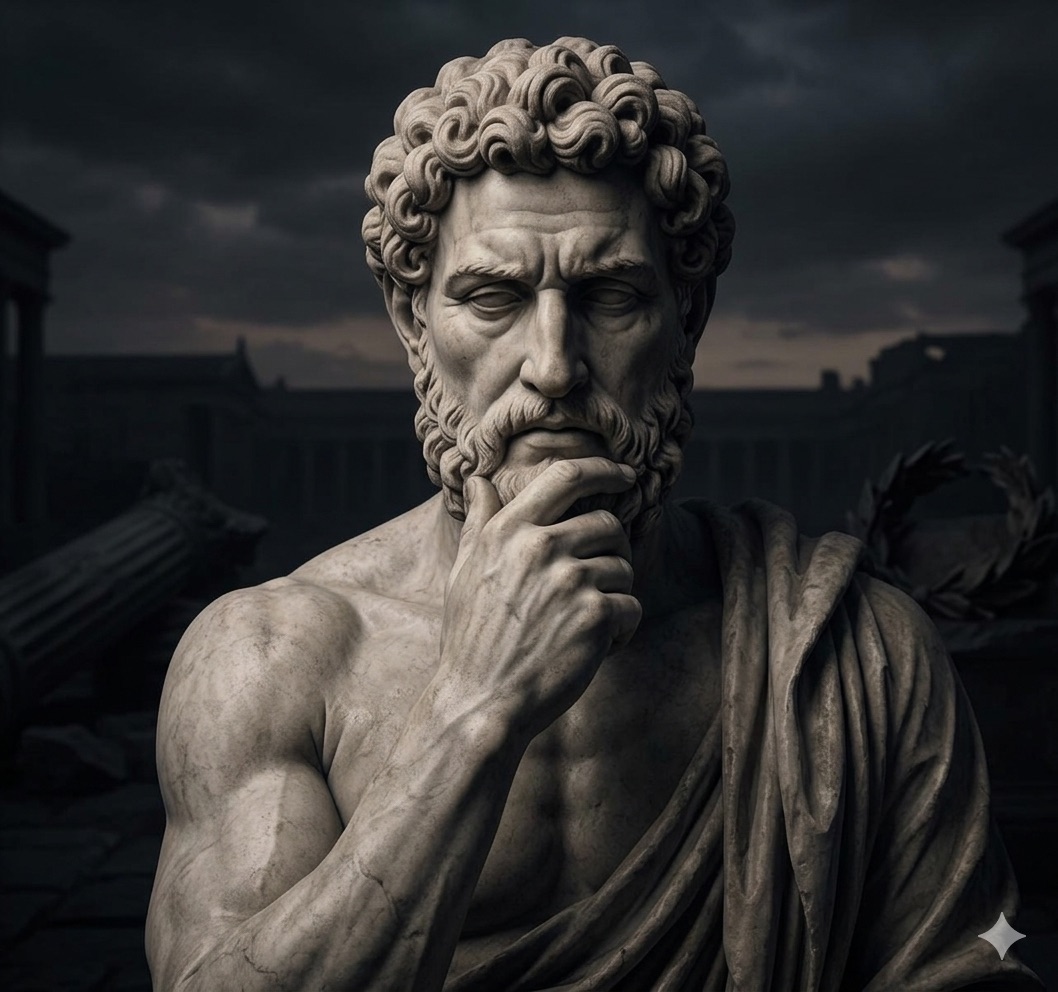

Embracing Stoicism: The Power of Acceptance in Life
Life throws a lot at us. Sometimes it’s good stuff. Other times, it’s not so good. We can’t always pick what happens. But we can pick how we react. This is a big idea in Stoicism. It’s about accepting what we can’t change. And focusing on what we can.
It sounds simple. It is simple. But it’s also very powerful.
Let’s explore this idea of acceptance. It’s a key part of living a calmer, happier life. Even when things are tough.
What is Acceptance When We Talk About Stoicism?
Imagine a big wave coming at you. You can’t stop the wave. It’s going to happen.
Acceptance means not fighting the wave. It means not getting angry at the wave. Or wishing it away.
Instead, you understand that the wave is part of the ocean. It’s just how things are sometimes.
This doesn’t mean you like being hit by the wave. It just means you stop wasting energy on wishing it wasn’t there. You accept it’s happening.
It’s Not Giving Up
Some people think acceptance means giving up. Like you’re just letting bad things happen.
That’s not what Stoicism teaches. Acceptance is not about being passive.
It’s about being smart with your energy. You accept what you can’t control. Then you focus your effort on what you can do.
You don’t just float and wait. You learn to swim with the wave.
It’s About Reality
Stoicism is about seeing things as they really are. Not as we wish they were.
The world is messy. It’s unpredictable. Things will go wrong. People will disappoint us.
Trying to pretend this isn’t true is exhausting. It makes us unhappy.
Accepting this reality sets us free. We can stop fighting against the truth.
In exploring the philosophy of Stoicism and its emphasis on resilience, a related article titled “What Epictetus Says About Suffering” delves deeper into the teachings of one of the most prominent Stoic philosophers. This article highlights how Epictetus viewed suffering as an inevitable part of life and encourages individuals to focus on their responses rather than the circumstances themselves. For those interested in understanding why Stoics don’t complain about life, this insightful piece provides valuable context and practical wisdom. You can read the article here: What Epictetus Says About Suffering.
Dealing With Things We Can’t Control
Think about the weather. You can’t control if it rains. Or if it’s sunny.
If you planned a picnic and it starts raining, you might get upset. You might stomp your feet.
But the rain will still fall. Your anger won’t change it.
The Dichotomy of Control
The Stoics talked a lot about what’s in our control and what’s not.
What’s in our control? Our thoughts. Our actions. Our judgments. Our desires.
What’s not in our control? Other people’s actions. Our health. The past. The future. What others think of us.
Acceptance comes in when we look at the things not in our control.
We can’t control a friend cancelling plans last minute. We can’t control a traffic jam. We can’t control a setback at work.
Focusing Your Energy Wisely
When you accept that traffic jam is happening, you stop honking your horn. You stop yelling.
You accept it. Then you think, “Okay, what can I do now?”
Maybe you listen to a podcast. Maybe you just relax and take deep breaths.
You use your energy for something useful. Not for fighting the inevitable.
This applies to bigger things too. A job loss. A health issue. A relationship ending.
You can’t control these events happening. But you can control how you respond.
How Acceptance Helps with Frustration
Frustration is a common feeling. We feel it when things don’t go our way.
It’s like hitting a wall. You wanted to get through, but you can’t.
Acceptance helps to lower that wall. Or at least, to see it differently.
When Things Don’t Go as Planned
Imagine you’ve spent weeks planning a surprise party. You’ve bought decorations. You’ve ordered a cake.
Then, on the day of the party, the guest of honor gets sick. They can’t come.
It’s natural to feel frustrated. All your hard work seems wasted.
Letting Go of Expectations
The core of this frustration is often unmet expectations. You expected the party to happen.
Acceptance means letting go of that expectation. You accept that plans change.
It doesn’t mean the effort was wasted. You learned things. You still have the cake.
Maybe you can reschedule. Maybe you can celebrate later.
You don’t dwell on the disappointment. You accept the change.
Accepting Others for Who They Are
This idea of acceptance isn’t just about events. It’s also about people.
We often want people to be a certain way. We want our friends to agree with us. We want our partners to act how we think they should act.
When they don’t, we get frustrated. We judge them.
You Can’t Change People
Just like you can’t change the weather, you can’t really change other people.
You can influence them. You can communicate with them. But their core selves are their own.
Accepting others means recognizing this. It means appreciating them as they are. Even with their flaws.
Reducing Judgment
When we accept people, we judge them less.
We see their actions not as personal attacks, but as simply what they do.
This doesn’t mean we have to like everything they do. It means we accept it as part of them.
It’s like looking at a painting. You might not like every color. But you accept the whole painting as it is.
This can lead to much better relationships. Less conflict. More understanding.
In exploring the principles of Stoicism and its approach to life’s challenges, one can gain deeper insights by reading about Seneca’s teachings on embracing virtue and resilience. This perspective aligns closely with the idea of why Stoics don’t complain about life, as it emphasizes the importance of accepting circumstances and focusing on personal growth. For a more comprehensive understanding, you can check out this related article on Seneca and Stoicism, which delves into how these ancient philosophies can guide us in navigating modern struggles.
Embracing Uncertainty with Acceptance
Life is full of uncertainty. We never know exactly what tomorrow will bring.
This uncertainty can be scary for many people. It can lead to a lot of anxiety.
Stoicism offers a way to manage this fear. It’s through acceptance.
The Illusion of Control
We like to feel in control. We plan our days. We make to-do lists.
This is good. It helps us be organized. But sometimes we think we can control everything.
This is an illusion. Many things are outside our power.
Finding Peace in the Unknown
Accepting uncertainty means we don’t need to have all the answers. We don’t need to know the future.
We can be okay with not knowing. We can trust that we will handle things as they come.
It’s like stepping onto a path you haven’t walked before. You don’t know what’s around the next bend.
Acceptance means you’re willing to walk the path anyway. You trust your ability to navigate.
This brings a sense of peace. A calm confidence.
Acceptance as a Path to Inner Peace
Ultimately, acceptance is a path to inner peace. It’s a way to stop fighting yourself and the world.
When you accept what you can’t change, a lot of your problems disappear.
Reducing Inner Conflict
So much of our unhappiness comes from internal conflict.
We want X, but Y is happening. We wish Z was different.
This constant wishing and wanting creates a lot of turmoil.
Acceptance calms this inner storm. It brings harmony between your thoughts and reality.
You stop wasting energy wishing things were different. You direct that energy to living well.
Living More Fully in the Present
When you’re not fighting the past or worrying about the future, you can be present.
You can enjoy the moment you are in. You can appreciate what you have right now.
Imagine always wishing for beach weather when it’s raining. You miss the beauty of the rain. You miss the cozy feeling indoors.
Acceptance allows you to be where you are. And to do the best you can from that spot.
It makes life less of a struggle. And more of an unfolding story.
We can practice acceptance every day. Small things first.
Someone cuts you off in traffic. Accept it. Don’t let it ruin your mood.
Your favorite coffee shop is closed. Accept it. Find another.
These small acts build up. They train your mind.
They help you build the strength to accept the bigger challenges. The ones that really test us.
Acceptance isn’t about being weak. It’s about being strong. It’s about being wise. It’s about being free.
It’s a core Stoic secret. And it’s freely available to all of us.
You just have to choose to use it.