

You know how sometimes life feels like a big, noisy playground? Lots of things are happening. Some are fun. Some are a bit scary or make you feel frustrated. It’s a lot to take in, right? Well, there’s this ancient way of thinking called Stoicism. It’s not about being emotionless. It’s about learning how to handle all that playground noise and chaos without getting completely overwhelmed.
Marcus Aurelius was a Roman Emperor a long, long time ago. He was also a Stoic philosopher. He wrote down his thoughts in a personal journal, which we now call “Meditations.” He wasn’t writing for anyone else to read at first. He was just trying to figure things out for himself. And in his writings, he talks a lot about something very important. It’s called discipline.
Discipline isn’t just about rules or punishments. For Marcus Aurelius, it was more like a superpower. A superpower for living a good, calm, and meaningful life. Even when things outside feel wobbly. Let’s peek into what he meant by that.
Imagine your mind is like a ship. You’re the captain. Discipline is like having a good captain’s log and a clear set of instructions. It helps you steer the ship. It stops you from just drifting.
Marcus Aurelius thought of discipline as being in charge of yourself. Especially your thoughts and actions. He believed we all have an inner commander. This commander can decide what to pay attention to. It can choose how to react to things.
Choosing Your Focus
Think about a busy street. There are so many sounds and sights. A car horn. Someone shouting. A dog barking. You could get pulled in a million directions. Discipline helps you choose what really matters.
It means not letting every little distraction pull you away from what you’re trying to do. Like if you’re trying to read a book. The phone buzzes. Discipline is the part of you that says, “Just a moment.” It helps you finish the page or the chapter first.
Noticing Your Habits
We all have habits. Some are helpful, like brushing your teeth. Some can be a bit tricky, like scrolling on your phone for too long. Discipline is about noticing these habits. It’s about seeing them clearly.
Marcus Aurelius would remind himself to look at his actions. Were they serving him well? Were they leading him toward the kind of person he wanted to be? This self-awareness is the first step.
In exploring the teachings of Marcus Aurelius on discipline, it is insightful to consider how these principles can be applied to maintaining mental strength in challenging times. A related article, “The Stoic Way to Stay Mentally Strong When Life Feels Unfair,” delves into practical strategies inspired by Stoic philosophy that can help individuals cultivate resilience and fortitude. You can read more about these strategies and their connection to Aurelius’s teachings by visiting this article.
The Power of the Present Moment
A big part of discipline, according to Marcus Aurelius, is living in the here and now. Not getting lost in the past or worrying too much about the future.
He often wrote about how the past is gone. It’s like a dream. The future hasn’t happened yet. It’s uncertain. The only place we truly have is right now.
Letting Go of Regrets
Sometimes we replay mistakes in our heads. We think, “I should have said that.” Or “Why did I do that?” This can make us feel sad or stuck. Discipline helps us to acknowledge what happened. Then, it helps us move on.
It’s about learning from the past, not dwelling in it. Like if you spill your juice. You clean it up. You don’t keep staring at the mess forever. You focus on what you can do now.
Facing the Future with Calm
Worrying about what might happen can be like staring into a fog. It can make it hard to see what’s in front of you. Discipline means focusing on what you can control today. Not the vast unknown of tomorrow.
Marcus Aurelius would tell himself to do his best now. Whatever comes next, he would deal with it then. It’s about trusting your ability to handle things as they arrive.
Doing What’s Right, Even When It’s Hard
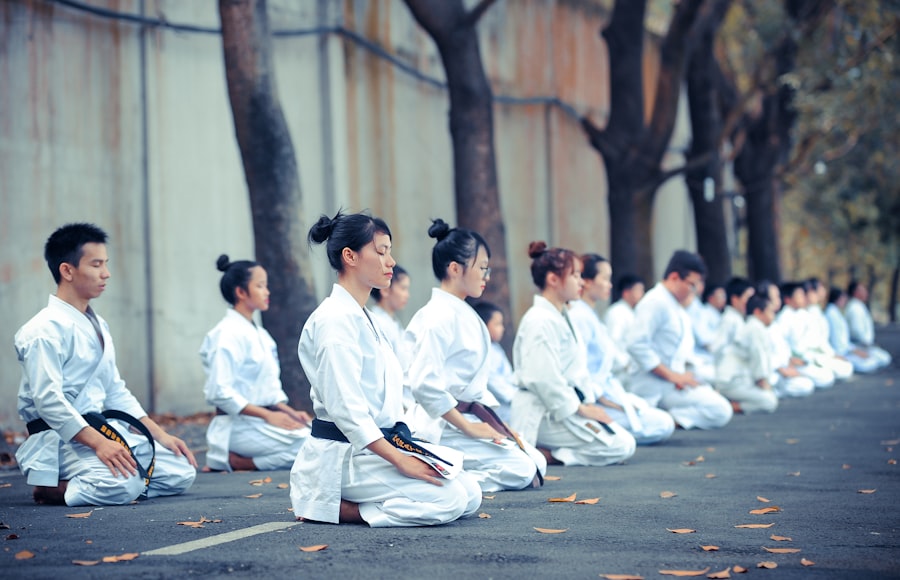
This is where discipline really shines. It’s not just about easy choices. It’s about the tough ones too. The ones where your comfort is on the line.
Marcus Aurelius understood that living a good life often means doing the right thing. Even if it’s not the easiest path. Or the most popular.
The Stubbornness of Duty
He talked about facing challenges with a strong will. Like a rock that doesn’t move for the waves. He believed in doing his duty as an emperor. And as a human being.
This means showing up. It means doing the work. Even when you don’t feel like it. Like putting on your running shoes when the bed feels so warm. You know exercise is good for you. Discipline helps you lace up those shoes.
Resisting Temptation
There are always things that tempt us away from our goals or our principles. A delicious dessert when you’re trying to eat healthy. A nap when you have work to do. A bit of gossip when you know it’s not kind.
Discipline is the inner strength that helps you say “no” to these temptations. It’s not about deprivation. It’s about choosing what aligns with your bigger picture. What helps you become the person you want to be.
The Purpose of Effort

Marcus Aurelius believed that effort itself has value. Simply trying your best is important. You don’t always have to succeed perfectly. The attempt matters.
He would often reflect on the natural order of things. Everything has a purpose. And our purpose is to act according to nature. Which, for humans, means using our reason and being virtuous.
Practicing Virtue
What does it mean to be virtuous? For Stoics, it includes wisdom, justice, courage, and temperance (which is about self-control). Discipline is the tool that helps us practice these.
Want to be more patient? Discipline helps you pause before reacting. Want to be more honest? Discipline helps you speak the truth, even when it’s awkward.
The Unseen Work
Not all important work is flashy. Much of it is quiet. It happens behind the scenes. Like studying for a test. Or practicing a musical instrument. Or tending to a garden.
Discipline is the steady effort you put in. It’s the repetition. It’s showing up day after day. This unseen work builds strength and skill. It leads to the results we want, eventually.
In exploring the insights of Marcus Aurelius on discipline, it’s fascinating to consider how these principles resonate with modern thinkers and doers. For instance, many entrepreneurs, athletes, and creators are increasingly turning to Stoicism as a guiding philosophy in their pursuits. This connection is highlighted in a related article that delves into the reasons behind this trend, showcasing how the teachings of Stoicism can enhance focus and resilience. To read more about this intriguing intersection of ancient wisdom and contemporary success, you can check out the article here.
Accepting What You Cannot Change
| Discipline Quote | Explanation |
|---|---|
| “You have power over your mind – not outside events. Realize this, and you will find strength.” | Marcus Aurelius emphasizes the importance of controlling one’s thoughts and focusing on internal strength rather than external circumstances. |
| “The best revenge is to be unlike him who performed the injustice.” | Discipline involves rising above the desire for revenge and choosing to act with integrity and virtue. |
| “Waste no more time arguing about what a good man should be. Be one.” | Discipline is about taking action and embodying the qualities of a good person rather than debating about it. |
This is a cornerstone of Stoicism. And discipline plays a role here too. It’s about learning the difference between what is within your control and what is not.
Marcus Aurelius wrote a lot about this. He said we should focus our energy on the things we can influence. And accept the things we cannot.
The Circle of Control
Think of a target. The bullseye is what you control: your thoughts, your choices, your actions. The outer rings are things you don’t control: other people’s opinions, the weather, what happens in the world.
Discipline helps you keep your attention on the bullseye. It stops you from getting upset about the outer rings. Like if traffic is bad and you’re going to be late. You can’t control the traffic. But you can control how you react to being late.
Finding Peace in Acceptance
Fighting against reality is exhausting. It’s like trying to push a mountain. Discipline allows us to see things as they are. Then, to work with them.
Acceptance isn’t giving up. It’s a wise understanding. It frees up your energy. You can use that energy to build or to learn. Instead of wasting it on frustration.
Discipline as a Way of Life
For Marcus Aurelius, discipline wasn’t a temporary fix. It was a way to live. It was about building a strong inner foundation. So you could face anything life threw at you.
He saw it as a constant practice. Like a muscle that needs to be worked. The more you practice discipline, the stronger it gets.
The Inner Citadel
He often used the image of a “citadel.” This is a strong fortress. Your inner citadel is your mind and your character. Discipline is what builds and defends it.
When the world outside feels chaotic, your inner citadel remains calm and stable. Because you have trained yourself to be resilient.
Embracing the Journey
The path of discipline is not always smooth. There will be days you slip. Days you falter. This is normal. The key is to get back up.
Marcus Aurelius would forgive himself for mistakes. He would learn from them. And he would start again. This ongoing effort is what matters. It’s the journey of becoming a better person.
A Calm Mind in a Busy World
Marcus Aurelius’s words on discipline are a reminder. They show us that we have more power than we often think. We can train ourselves to be calm. We can choose to act with purpose.
Discipline isn’t about harshness. It’s about self-respect. It’s about caring for yourself by making wise choices. By understanding what truly matters.
It’s about being the captain of your own ship. Navigating the waters of life with a steady hand. Even when the waves get rough. It’s about finding that quiet strength within. The strength to live well, no matter what.
FAQs
What is Marcus Aurelius’s view on discipline?
Marcus Aurelius believed that discipline is essential for personal growth and self-improvement. He emphasized the importance of self-control, perseverance, and the ability to overcome obstacles through disciplined action.
How did Marcus Aurelius practice discipline in his own life?
Marcus Aurelius practiced discipline by adhering to a strict daily routine, maintaining a stoic mindset, and constantly challenging himself to improve. He also emphasized the importance of controlling one’s emotions and desires through disciplined thought and action.
What are some key principles of discipline according to Marcus Aurelius?
According to Marcus Aurelius, key principles of discipline include self-awareness, self-control, resilience, and the ability to focus on what is within one’s control. He also stressed the importance of maintaining a rational and objective mindset in the face of adversity.
How can one apply Marcus Aurelius’s teachings on discipline in modern life?
One can apply Marcus Aurelius’s teachings on discipline in modern life by cultivating self-discipline, setting clear goals, maintaining a positive mindset, and practicing mindfulness. Additionally, one can use his teachings to navigate challenges and setbacks with resilience and determination.
What are some quotes from Marcus Aurelius that reflect his views on discipline?
Some quotes from Marcus Aurelius that reflect his views on discipline include “You have power over your mind – not outside events. Realize this, and you will find strength” and “The best revenge is to be unlike him who performed the injustice.” These quotes emphasize the importance of self-control, resilience, and maintaining a disciplined mindset.
