
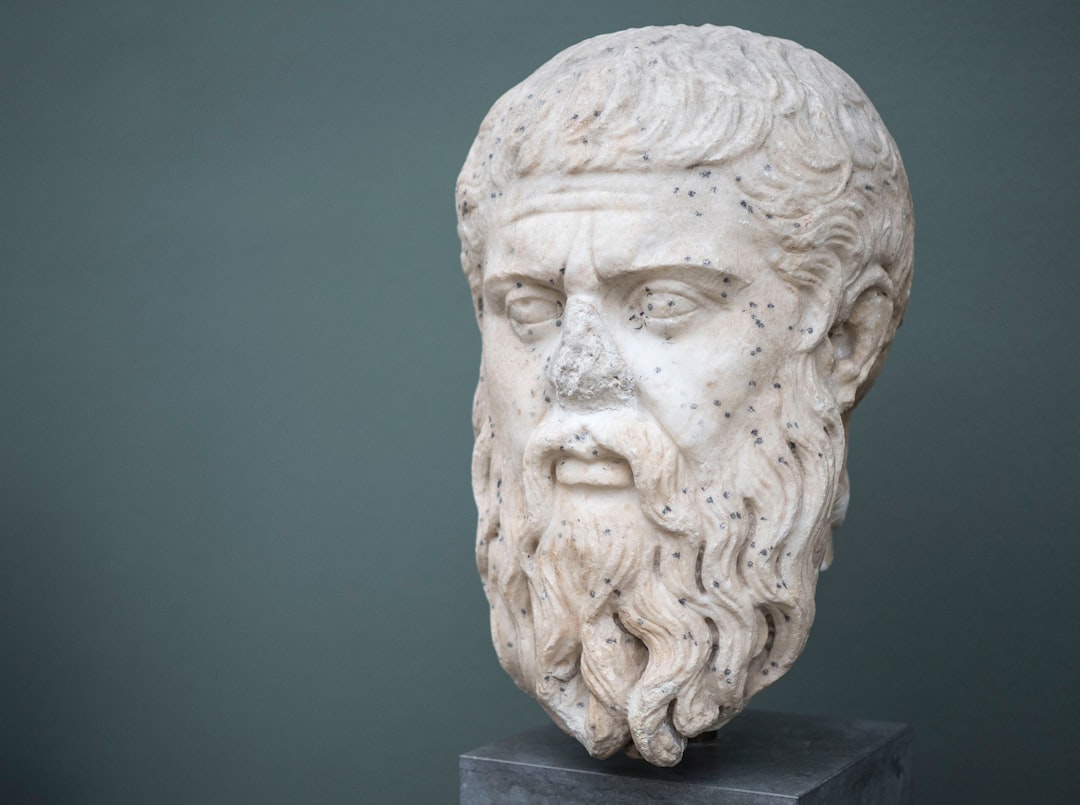

Stoicism, an ancient Greek philosophy, offers a robust framework for navigating the complexities of human existence by prioritizing inner virtue, rational thought, and acceptance of what is beyond our control. Its timeless principles, centered on developing an unshakeable inner peace and emotional resilience, are increasingly appealing to high-performers like entrepreneurs, athletes, and creators who operate in demanding and often unpredictable environments.
By emphasizing self-discipline and a clear understanding of one’s sphere of influence, Stoicism equips individuals with the mental fortitude to thrive amidst adversity, manage stress effectively, and cultivate a purposeful life.
Stoicism emerged in Athens around 300 BCE, founded by Zeno of Citium, who taught his philosophy from the Stoa Poikile, or “Painted Porch” – hence the name “Stoicism.” Unlike many other philosophical schools of its time, Stoicism was not exclusive to elites; its teachings were accessible and applicable to all, from emperors to former slaves. This universality is a key reason for its enduring appeal.
Ancient Origins and Core Tenets
The early Stoics, influenced by Cynic philosophy, focused on eudaimonia, often translated as “human flourishing” or “a good life.” They believed that this flourishing was achievable through virtue alone, not through external circumstances like wealth, social status, or pleasure. This foundational tenet distinguishes Stoicism from many other philosophical schools and forms the bedrock of its practical application.
- Virtue as the Sole Good: For Stoics, the ultimate goal is to live virtuously. Virtue is understood as living in accordance with reason and is divided into four cardinal virtues: wisdom (prudence), justice (fairness), courage (fortitude), and temperance (self-control). These virtues are interconnected; one cannot possess one without possessing all.
- Living in Accordance with Nature: This principle has two primary interpretations. Firstly, it means living in accordance with human nature, which is inherently rational. Secondly, it implies accepting the natural order of the universe, understanding that some events are beyond our control (the “dichotomy of control”). Resisting what is natural or inevitable leads to suffering.
- The Role of Reason: Reason is the faculty that allows us to understand the world, make moral judgments, and control our impulses. Stoics saw reason as an almost divine spark within us, distinguishing us from other animals. Cultivating reason is central to Stoic practice and is the pathway to wisdom.
- Indifferents: Stoics categorized things into “good,” “bad,” and “indifferent.” Virtues are good, vices are bad, and everything else – health, wealth, reputation, pleasure, pain, poverty, sickness – is indifferent. While some indifferents may be preferred (like health over sickness), they do not ultimately contribute to or detract from our virtue or our capacity for a good life.
Navigating the Labyrinth: Stoicism for Stress, Emotions, and Modern Life
The contemporary landscape is characterized by its fast pace, constant connectivity, and inherent unpredictability. For entrepreneurs navigating market volatilities, athletes facing performance pressures, and creators contending with public scrutiny and creative blocks, these challenges can be immense. Stoicism offers a powerful framework for developing a robust Stoic mindset, fostering inner peace, and cultivating emotional resilience in this demanding environment.
Managing the Inner Narrative and External Pressures
At its heart, Stoicism teaches us to differentiate between what we can control and what we cannot. This “dichotomy of control” is arguably the most fundamental and empowering Stoic tenet. Our thoughts, judgments, intentions, and actions are within our control; external events, the opinions of others, and the actions of others are not.
- Emotional Regulation: Stoicism is not about suppressing emotions but about understanding their origins and preventing them from overwhelming us. By recognizing that our emotional responses often stem from our judgments about events, rather than the events themselves, we can reframe our perspectives. For instance, the stress of a failed venture, for an entrepreneur, might not come from the failure itself, but from the judgment that failure is inherently bad or represents a personal deficiency. A Stoic mindset would encourage an objective assessment of the event, learning from it, and focusing on the next actionable step.
- Stress Reduction: By internalizing the dichotomy of control, individuals can significantly reduce stress. The energy often expended worrying about uncontrollable outcomes can be redirected towards controllable efforts, such as improving skills, refining strategies, or maintaining a disciplined routine. This practical application of Stoic philosophy acts as a mental shield against the slings and arrows of fortune.
- Resilience Building: Life inevitably presents setbacks. For an athlete facing a career-threatening injury, or a creator experiencing a wave of negative criticism, the ability to bounce back is paramount. Stoicism fosters resilience by encouraging acceptance of adversity as a natural part of life, and viewing challenges as opportunities for growth and the exercise of virtue – patience, courage, and perseverance.
The Voices of Wisdom: Famous Stoics and Their Enduring Legacy
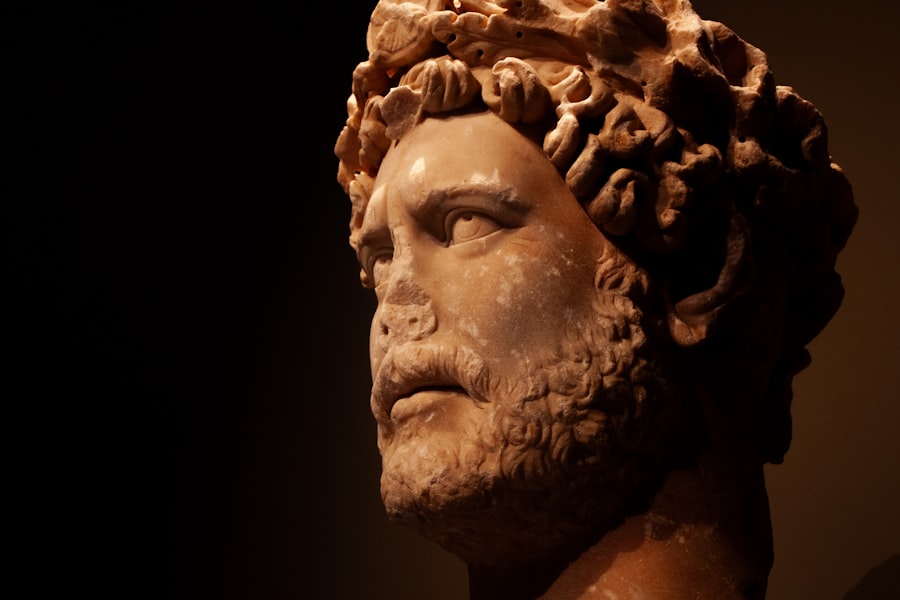
The ideas of Stoicism have been shaped and refined by influential figures whose writings continue to resonate with modern readers. Their lives, often lived amidst great challenges, serve as tangible examples of Stoic principles in action.
Marcus Aurelius: The Philosopher-Emperor
Marcus Aurelius, Roman Emperor from 161 to 180 CE, penned his personal reflections, known today as Meditations. This work, never intended for publication, offers an unfiltered glimpse into the mind of a leader grappling with the immense responsibilities of empire while striving for personal virtue.
- Duty and Self-Reflection: Aurelius constantly reminded himself of his duties and the transient nature of life. His writings emphasize self-examination, the pursuit of wisdom, and the importance of acting justly. Entrepreneurs, like emperors, bear significant responsibilities, and Aurelius’s focus on duty and clear judgment resonates deeply.
- Acceptance of Fate: Facing plagues, wars, and political intrigues, Aurelius repeatedly returned to the Stoic principle of accepting what fate brings. He saw external events as raw material upon which to exercise his virtue, rather than as sources of distress.
Seneca the Younger: The Statesman and Playwright
Lucius Annaeus Seneca, a prominent Roman statesman, philosopher, and playwright, served as advisor to Emperor Nero. His prolific writings, including Letters from a Stoic (Epistulae Morales ad Lucilium) and various essays, explore themes of anger, suffering, wealth, and the brevity of life.
- Managing Material Possessions: Seneca, despite his immense wealth, cautioned against attachment to material possessions. He argued that true contentment comes from within, not from external riches, and that one should be prepared to lose everything at any moment. This perspective is vital for entrepreneurs, who often face fluctuating fortunes, reminding them that their value is not tied to their net worth.
- The Power of Premeditation of Adversity (Premeditatio Malorum): Seneca frequently advocated for mentally preparing for potential misfortunes. By contemplating worst-case scenarios, one can reduce their emotional impact should they occur, and realize that many feared outcomes are survivable. This proactive Stoic practice builds mental fortitude against the unpredictable nature of endeavors.
Epictetus: The Former Slave and Teacher
Epictetus, born a slave in Hierapolis, Phrygia, rose to become one of the most influential Stoic teachers. His teachings, preserved by his student Arrian in Discourses and Enchiridion (Handbook), are profoundly practical and accessible.
- Focus on What is Within Our Power: Epictetus’s teachings are epitomized by the clear distinction between what is “up to us” and what is not. He argued that our opinions, impulses, desires, and aversions are within our power, while our bodies, possessions, reputation, and public office are not. This concept empowers individuals to direct their energy effectively.
- The Importance of Inner Freedom: Despite his background, Epictetus emphasized that true freedom lies not in external circumstances but in our internal responses. This message powerfully resonates with anyone feeling constrained by external forces, offering a pathway to mental liberation. Athletes, for example, cannot control the referees’ decisions or their competitors’ performance, but they can control their own effort, focus, and attitude.
Practical Steps to Cultivate a Stoic Mindset
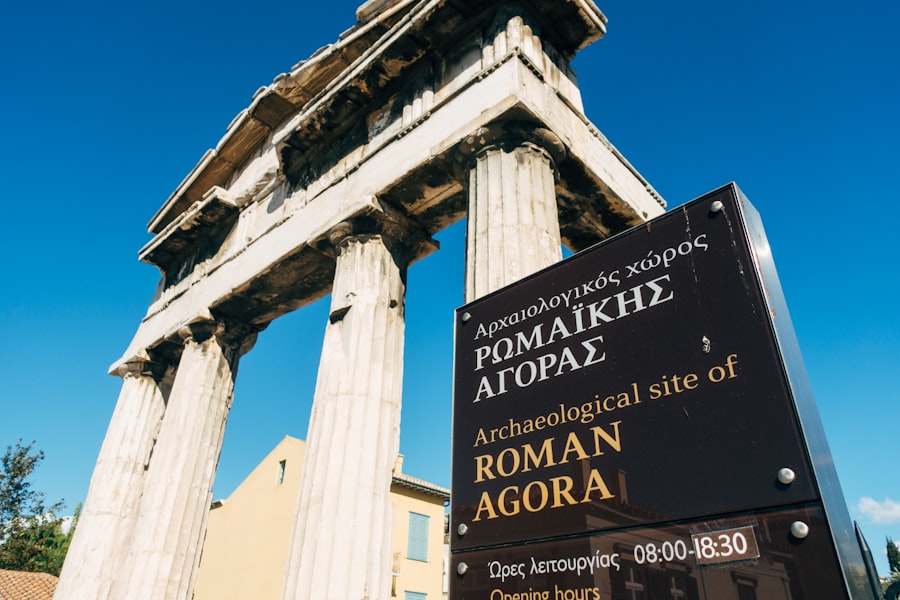
Adopting Stoicism is not about intellectual assent but about daily practice. It’s a continuous process of self-improvement and developing a robust Stoic mindset.
Integrating Stoic Practices into Daily Life
- Morning Reflection: Begin the day by contemplating potential challenges, reminding yourself of your values, and setting intentions to act virtuously regardless of what unfolds. Ask yourself, “What challenges might I face today, and how might I respond with wisdom and courage?”
- Evening Review: Before bed, reflect on the day’s events. Evaluate your actions and reactions. Did you respond with reason or emotion? Where could you have acted more virtuously? This metacognitive practice helps reinforce desired behaviors and learn from mistakes.
- **Journaling (e.g., Meditations):** Like Marcus Aurelius, keep a journal to record your thoughts, analyze your judgments, and practice reframing challenging situations from a Stoic perspective. This daily Stoic practice offers a concrete way to apply the philosophy.
- Negative Visualization (Premeditatio Malorum): Regularly contemplate the loss of things you value – your health, your possessions, your loved ones. This isn’t about fostering pessimism but about appreciating what you have and reducing the shock and despair should misfortune strike.
- Practice Discomfort: Voluntarily exposing yourself to minor discomforts – a cold shower, skipping a meal, walking instead of driving – helps build resilience against larger hardships and reduces attachment to comfort.
- Mindful Observation: Pay close attention to your emotional responses. When you feel anger, frustration, or fear, pause and ask yourself: “Is this truly within my control? What judgment am I making about this event?”
- Focus on What is Up to You: In every situation, consciously identify what you can influence and what you cannot. Direct your energy and attention solely to the former. This is paramount for entrepreneurs navigating the volatile market or athletes competing in high-stakes games.
Modern Interpretations and the Continuing Relevance
<?xml encoding=”UTF-8″>
| Group | Key Stoic Principle Adopted | Primary Benefit | Common Challenges Addressed | Example Metrics |
|---|---|---|---|---|
| Entrepreneurs | Focus on controllables | Improved decision-making under uncertainty | Stress from market volatility, fear of failure | 30% increase in resilience scores; 25% reduction in stress-related absenteeism |
| Athletes | Emotional regulation | Enhanced performance consistency | Performance anxiety, handling losses | 15% improvement in focus during competitions; 20% faster recovery from setbacks |
| Creators | Acceptance of external outcomes | Greater creative freedom and reduced burnout | Fear of criticism, creative blocks | 40% increase in creative output; 35% decrease in reported burnout symptoms |
Modern Stoicism continues to evolve, finding new applications in psychology, business, and self-help. Contemporary thinkers and practitioners are revitalizing its principles for a 21st-century audience.
Stoicism in Modern Psychology and Cognitive Behavioral Therapy (CBT)
Many principles of Stoicism, particularly the idea that our emotional responses are driven by our interpretations of events, laid the groundwork for modern cognitive behavioral therapy (CBT). Albert Ellis, a pioneer of Rational Emotive Behavior Therapy (REBT), explicitly acknowledged his debt to Stoic philosophy. Psychologists today utilize Stoic techniques to help patients manage anxiety, depression, and other mental health challenges.
The Stoic Entrepreneur, Athlete, and Creator
For entrepreneurs, a Stoic mindset allows them to embrace calculated risks without being crippled by fear of failure. It cultivates the resilience needed to pivot, adapt, and persevere through inevitable setbacks. For athletes, Stoicism fosters mental toughness, allowing them to maintain focus under pressure, accept the outcome of the game with equanimity, and channel disappointment into renewed effort. Creators, often battling self-doubt, criticism, and the elusive muse, find solace and strength in Stoic teachings that emphasize focusing on the process of creation rather than external validation, and accepting the subjective nature of artistic reception.
The enduring appeal of Stoicism lies in its practical utility. It provides not merely a philosophical outlook but a blueprint for living a fulfilling life, characterized by inner peace, purpose, and unshakeable strength. By embracing its timeless wisdom, individuals across diverse fields can cultivate the mental discipline and emotional fortitude required to thrive in a world that constantly tests their limits. The journey of living stoically is a demanding one, a continuous effort to align one’s actions with reason and virtue. Yet, the rewards – a calm mind, a resilient spirit, and a life lived with integrity – are immeasurable, making it a philosophy eternally relevant for those who seek to master themselves and their turbulent world.
