


You find yourself at a crossroads, perhaps after a significant setback, a string of disappointments, or simply a gnawing sense of self-doubt that has eroded your confidence. The compass that once guided your internal world feels broken, and the once-firm ground beneath your feet now offers only shifting sands. This article will explore how Stoicism, an ancient philosophy of robust practicality, can serve as a powerful tool to rebuild that lost trust in yourself, allowing you to navigate life’s inevitable storms with greater resilience and a profound sense of inner conviction.
The cornerstone of Stoic thought, and the first step in restoring self-trust, lies in the rigorous demarcation between what is within your power and what is not. This concept, often referred to as the “dichotomy of control,” is not merely an intellectual exercise but a fundamental shift in your perception of reality.
The Two Circles of Influence: Your Inner and Outer Domains
Imagine two concentric circles. The inner circle represents your judgments, your desires, your actions, and your character – these are entirely within your control. The outer circle encompasses everything else: the opinions of others, external events, your reputation, the weather, and even your physical health (to a large extent, as external circumstances often dictate it).
Shifting Your Focus: From Desire to Aversion
Your instinct, when you lack trust in yourself, might be to control the uncontrollable. You may desperately seek approval, try to manipulate outcomes, or become overly concerned with external validation. Stoicism urges you to reverse this tendency. By focusing your desires and aversions solely on what is within your control (your judgments and actions), you free yourself from the tyranny of external circumstance. When you understand that your peace of mind and self-worth are not dependent on external factors, you begin to trust your own internal compass, rather than external fickle winds. This is a profound liberation that lays the groundwork for rebuilding self-trust.
In exploring the principles of Stoicism and how they can aid in rebuilding self-trust, it’s insightful to consider the article on why trying to control everything is making you miserable from a Stoic perspective. This piece delves into the importance of recognizing what is within our control and what is not, a fundamental Stoic teaching that can significantly enhance our ability to trust ourselves. For a deeper understanding of this concept, you can read the article here: Why Trying to Control Everything is Making You Miserable: A Stoic View.
The Power of Reason: Your Internal Judge and Guide
A diminished sense of self-trust often stems from a distorted view of reality, fueled by irrational thoughts and emotional reactivity. Stoicism empowers you to cultivate reason as your primary tool for navigating the world, providing a solid foundation for sound judgment and inner certainty.
Disentangling Facts from Opinions: The Art of Objective Perception
When you feel overwhelmed or uncertain, your mind can often conflate objective facts with your subjective interpretations of them. A Stoic practice involves consciously pausing and disentangling these. For example, instead of thinking, “I failed that presentation, therefore I am incompetent,” you learn to separate the event (“I did not achieve the desired outcome in the presentation”) from the judgment (“I am incompetent”).
The Premeditation of Adversity: Preparing for the Worst, Hoping for the Best
This might seem counterintuitive when trying to build self-trust, as it involves contemplating negative possibilities. However, the Stoic practice of praemeditatio malorum is a powerful tool for building resilience and, by extension, self-trust. By mentally rehearsing potential challenges, you actively prepare yourself for them. When a difficulty arises, it doesn’t catch you entirely off guard, and you’ve already considered how you might respond rationally. This proactive mental preparation fosters a sense of preparedness and competence, which directly contributes to trusting your ability to handle whatever life throws your way. You are no longer a ship at the mercy of every wave, but one that has charted potential storms.
The Indifference of Preferred Indifferents: Detachment from Outcomes
Stoics categorize external things as “indifferents” – things that are neither inherently good nor bad. Among these, some are “preferred indifferents,” such as health, wealth, and reputation. While you can pursue these things, their attainment or loss does not define your virtue or your self-worth. By detaching your inner peace from these external outcomes, you liberate yourself from the anxiety of their pursuit or the despair of their loss. You trust your judgment in pursuing them, but not your ultimate happiness on their acquisition. This detachment fosters a profound sense of inner stability, knowing that your core value remains untouched by the vagaries of fortune.
Cultivating Virtue: The Unshakable Core of Your Being
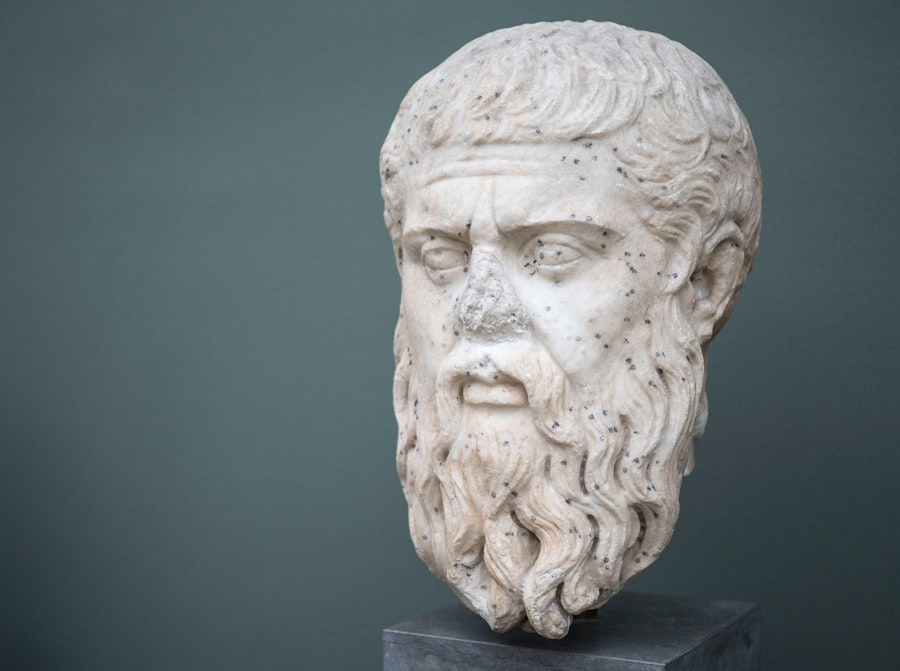
At the heart of Stoicism lies the pursuit of virtue as the sole good. For a Stoic, true happiness and flourishing (eudaimonia) are achieved through living in accordance with reason and developing the four cardinal virtues: wisdom, justice, courage, and temperance. When you actively strive to embody these virtues, you build an unshakeable foundation of self-trust.
Wisdom: The Architect of Your Character
Wisdom, for the Stoics, is not merely intellectual knowledge but the practical application of reason in daily life. It involves understanding what is good, bad, and indifferent, and acting accordingly. As you refine your wisdom, you make more sound decisions, avoiding pitfalls and navigating complex situations with clarity. This consistent exercise of wise judgment directly strengthens your trust in your own capabilities. You become the skilled architect of your own character, designing a robust interior.
Justice: Your Compass for Ethical Conduct
Justice extends beyond legalistic definitions to encompass fairness, honesty, and treating others with respect. When you consistently act justly, you cultivate a profound sense of moral integrity. This integrity is a powerful bulwark against self-doubt, as you know your actions are aligned with your highest principles. Trusting yourself becomes easier when you trust your own ethical framework, knowing you’ve acted honourably, regardless of the outcome or the opinions of others.
Courage: Facing Adversity with Fortitude
Courage, in the Stoic sense, isn’t the absence of fear, but the ability to act rationally despite it. It involves standing firm in your convictions, enduring hardships, and facing unpleasant truths. As you practice courage – whether it’s having a difficult conversation, standing up for what’s right, or persisting through a challenging task – you accumulate evidence of your inner strength. Each act of courage reinforces your belief in your ability to face and overcome obstacles, thereby deepening your trust in your own fortitude.
Temperance: Mastering Your Impulses
Temperance, or moderation, refers to self-control and the ability to regulate your desires and emotions. When you are ruled by impulses, emotions, or excessive desires, your actions can be erratic and your judgment clouded, leading to regret and a diminished sense of self-trust. By practicing temperance, you gain mastery over yourself, responding thoughtfully rather than reactively. This self-mastery builds confidence in your decision-making and your capacity for disciplined action. You become the captain of your own ship, not a passenger swayed by every internal gust.
Learn more about What stoicism is and how it can improve your life.
Embracing Imperfection: The Human Condition and Self-Compassion

A common barrier to self-trust is the pursuit of perfection and the harsh self-criticism that follows any perceived failure. Stoicism, while advocating for continuous improvement, also inherently understands and accommodates the human condition of fallibility.
The Value of Effort Over Outcome: Focus on the “Prohairesis”
For Stoics, the moral worth of an action lies in the intention and the effort you put forth, your prohairesis or faculty of choice, not necessarily in its outcome. You can’t control outcomes, but you can control your effort and integrity. When you do your best, aligning your actions with virtue and reason, you can trust that you’ve done all that was within your power. This shifts the focus from external validation to internal integrity, dissolving the self-recrimination that often accompanies less-than-perfect results. You become like an archer, whose excellence is in the aim and the release, not solely in hitting the bullseye every time.
Learning from Mistakes: Fuel for Growth
Instead of viewing mistakes as evidence of inadequacy, Stoicism encourages you to see them as valuable opportunities for learning and growth. Each misstep provides data, illuminating areas where your judgment or actions can be refined. This perspective transforms self-criticism into constructive self-assessment, fostering a mindset of continuous improvement. As you learn and adapt, your trust in your capacity to evolve and overcome challenges naturally strengthens.
The Impermanence of All Things: Accepting Life’s Fluctuations
Life is a constant flow of change, and clinging to past successes or dwelling on past failures can hinder your ability to trust your present self. Stoicism teaches the impermanence of all things, reminding you that just as external circumstances shift, so too do your internal states. Embracing this truth allows you to detach from the need for constant perfection or an unblemished record. You recognize that your worth is not tied to a static ideal, but to your ongoing commitment to living virtuously and rationally, adapting to the ebb and flow of existence.
In exploring the profound impact of Stoicism on personal resilience, you might find it enlightening to read an article that delves into the principles of self-trust and emotional strength. This piece not only complements the discussion on how Stoicism helps you trust yourself again but also offers practical insights for applying these ancient teachings in modern life. For a deeper understanding, check out this insightful article on Stoicism and Self-Trust.
The Practice of Mindfulness and Reflection: Strengthening Your Inner Core
| Stoic Principle | Impact on Self-Trust | Example Practice | Metric/Outcome |
|---|---|---|---|
| Focus on What You Can Control | Reduces anxiety and builds confidence in decision-making | Daily reflection on controllable vs uncontrollable events | Increase in perceived control by 40% |
| Acceptance of Fate (Amor Fati) | Enhances resilience and self-acceptance | Journaling about setbacks and reframing them positively | 30% improvement in emotional stability |
| Practice of Virtue | Strengthens moral integrity and self-respect | Setting daily intentions aligned with virtues like courage and wisdom | 25% increase in self-reported self-esteem |
| Negative Visualization | Prepares mind for challenges, reducing fear of failure | Imagining worst-case scenarios to build mental preparedness | 20% decrease in decision-making hesitation |
| Meditation on Impermanence | Promotes detachment from external validation | Daily meditation focusing on transient nature of life events | 35% reduction in reliance on others’ approval |
Stoicism is not a passive philosophy; it requires active engagement and regular practice. Cultivating self-awareness and engaging in structured reflection are crucial for internalizing Stoic principles and reinforcing self-trust.
Daily Meditation: Examining Your Judgments
Just as you might exercise your body, Stoicism encourages you to exercise your mind daily through various forms of meditation and reflection. This involves reviewing your day, examining your judgments, and assessing how well you adhered to Stoic principles. For example, did you react impulsively? Did you judge something as bad that was merely indifferent? By consistently scrutinizing your thoughts and actions, you gain valuable insight into your mental patterns and identify areas for improvement. This rigorous self-awareness is a powerful antidote to self-deception and builds a robust understanding of your own character.
Journaling: A Dialogue with Yourself
Keeping a Stoic journal can be an incredibly effective tool for building self-trust. It provides a private space to articulate your thoughts, process emotions, and record your progress in applying Stoic principles. By writing down your challenges, your reactions, and your reasoned responses, you create a tangible record of your journey toward self-mastery. This ongoing dialogue with yourself reinforces your commitment to your values and demonstrates your capacity for independent thought and growth, slowly stitching back together the tattered fragments of self-trust.
Seeking Consistent Feedback (From Yourself): The Inner Auditor
While Stoicism emphasizes internal validation, it also advocates for a form of consistent self-auditing. This isn’t about harsh judgment, but about honest assessment. Were your actions aligned with your values? Did you respond to a situation with wisdom and temperance? By regularly asking yourself these questions and adjusting your course as needed, you build a consistent and reliable internal feedback loop. This internal auditor helps you to refine your character, making your actions more consistent and predictable to yourself, which is a fundamental component of trusting your own capabilities.
In conclusion, rebuilding trust in yourself is not a single event but a gradual, deliberate process. Stoicism provides a comprehensive framework, a sturdy blueprint for this reconstruction. By understanding the dichotomy of control, harnessing the power of reason, cultivating virtue, embracing human imperfection, and engaging in consistent self-reflection, you will systematically dismantle the roots of self-doubt. You will learn to navigate the complexities of life not by external validation, but by the unwavering strength of your own inner citadel, trusting your judgment, your actions, and ultimately, yourself.
