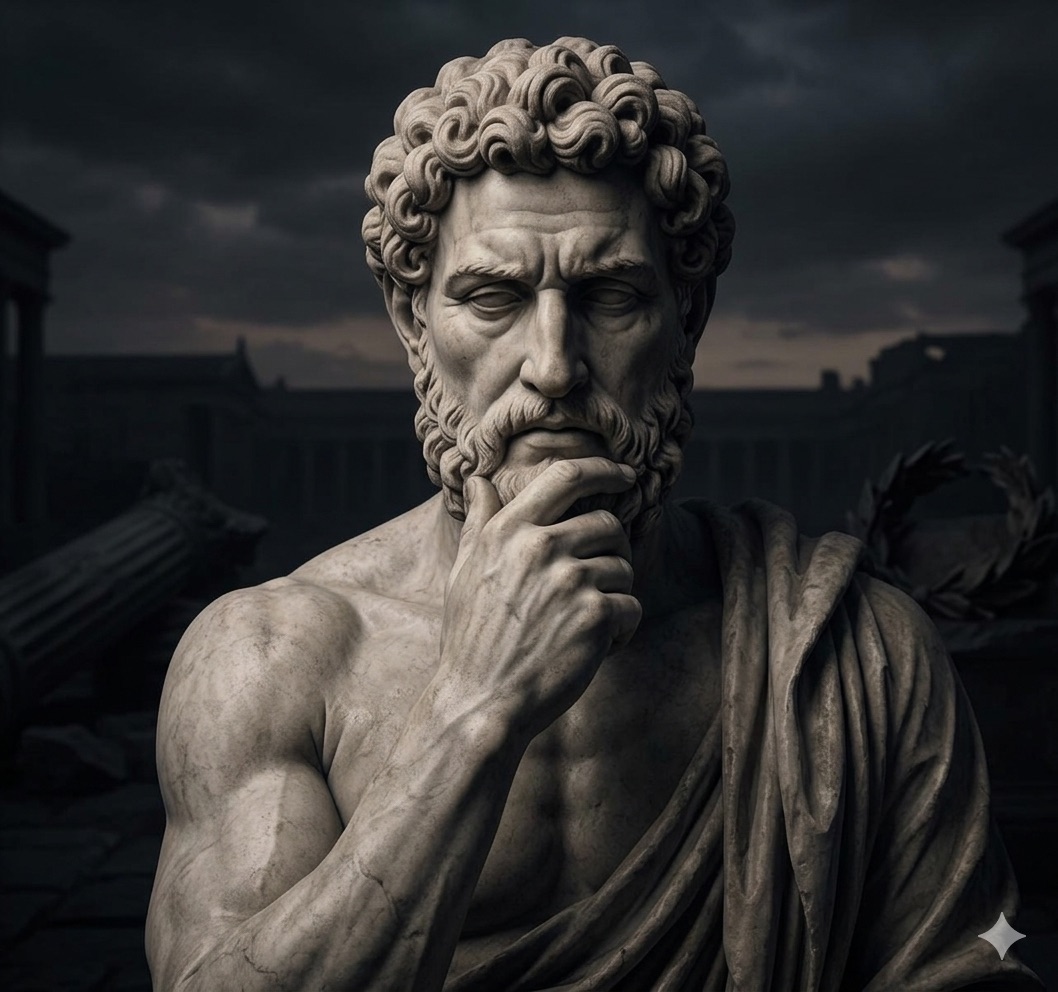

Finding Strength in Tough Times: A Guide
Life can throw us curveballs. Sometimes, things get really hard. You might feel overwhelmed. Maybe you’re facing a big challenge at work. Or perhaps a personal relationship is causing you a lot of pain. Whatever it is, tough times happen to everyone. It’s how we deal with them that matters. We can learn to find strength even when things feel darkest.
This guide is about finding that inner strength. We’ll explore simple ideas that can help. You don’t need special powers. You just need to understand a few key things. These ideas come from an old way of thinking called Stoicism. It’s not complicated. It’s about living a good life, no matter what happens. Let’s learn how to be strong.
This is a really important idea. In tough times, we often worry about things we can’t change. We think about the past. We fret about the future. But Stoics tell us to focus on what’s actually in our power.
Think about the weather. You can’t control if it rains or shines. You can’t make the sun come out on a cloudy day. Getting upset about the rain won’t change anything. But you can control what you wear. You can choose to bring an umbrella. You can decide to stay inside and read a book. You can control your actions.
Your Thoughts and Actions
Your mind is your own. No one can force you to think a certain way. Your reactions are also yours to choose. If someone is rude to you, you can’t control their rudeness. But you can control how you respond. You can choose to be calm. You can choose not to get angry back.
This isn’t about being a doormat. It’s about choosing wisely. It’s about not letting other people’s actions upset your inner peace. It takes practice. But it’s a powerful skill.
Things Outside Your Control
Other people’s opinions. The economy. Traffic jams. The results of a lottery. These are all things outside your control. Worrying about them too much is like trying to hold water in your hands. It just slips away.
When you feel stressed, ask yourself: “Can I do anything about this right now?” If the answer is no, then let it go. Put your energy into what you can influence.
In times of adversity, finding strength can often feel overwhelming, but exploring the wisdom of ancient philosophers can provide valuable insights. A related article that delves into the teachings of Epictetus, a prominent Stoic philosopher, can be found at Epictetus Quotes Explained in Simple Terms. This resource offers practical advice on how to cultivate resilience and maintain a positive mindset during challenging situations, making it an excellent companion to the topic of finding strength during difficult times.
Accepting What Is
Sometimes, life doesn’t go as planned. We have dreams. We have expectations. When reality doesn’t match them, it can be painful. Stoicism teaches us to accept that things are the way they are. This doesn’t mean liking bad things. It means acknowledging them without fighting them.
Imagine you’re planning a picnic. You’ve got sandwiches and drinks all ready. Then, the sky opens up and it pours rain. Your picnic is ruined. It’s easy to get angry and frustrated. You might say, “This is unfair!” But the rain is happening. Fighting it won’t make it stop.
Not Fighting Reality
Accepting the rain doesn’t mean you love being wet. It means you recognize the situation. You can then decide what to do next. Maybe you move the picnic indoors. Maybe you make the best of it and have an indoor picnic. You’ve accepted the rain and are moving forward.
We do this with life too. If something bad happens, accept it. It has happened. Now, what can you do from this point? This acceptance frees up your energy. You can use that energy to solve problems. You can use it to heal.
The Present Moment
Stoicism also talks about living in the present. We often get stuck in the past, regretting what happened. Or we worry endlessly about the future. The only time we truly have is now.
If you’re always thinking about a past mistake, you can’t enjoy today. If you’re always anxious about tomorrow, you miss what’s good right now. Being present helps you deal with things as they come. It keeps you grounded.
Practicing Gratitude

When times are tough, it’s easy to focus on what’s wrong. We might feel like we have nothing good. But even in the worst situations, there are often things to be thankful for. Stoicism encourages us to look for them.
Think about a time when you were sick. Maybe you felt really bad. But you could still breathe. You could still feel warmth from a blanket. Your family brought you soup. These small things matter.
What You Still Have
Even when you lose something, you still have other things. If you lose your job, you still have your health. You still have friends. You still have skills. Focusing on what you have lost can make you feel poorer. Focusing on what you still have can make you feel richer.
Keep a gratitude journal. Write down three things you are thankful for each day. They can be very simple. A good cup of coffee. A sunny day. A smile from a stranger. This practice shifts your focus. It pulls you away from the negative.
The Little Joys
Don’t dismiss the small good things. A beautiful sunset. The taste of your favorite food. A funny joke. These are moments of joy. They are precious. Especially when life is hard.
These little joys are like small lights in the darkness. They remind you that good still exists. They give you a break from the worry. They strengthen your spirit.
Building Inner Resilience

Tough times are like a workout for your inner strength. Each challenge you face helps you grow. Stoicism is all about building this inner resilience. It’s like building muscles. The more you use them, the stronger they get.
Think about climbing a mountain. The first few steps might be easy. But as you go higher, it gets harder. You get tired. You might want to give up. But if you keep going, you reach the top. The view is amazing. And you know you are stronger for the climb.
Facing Challenges Head On
When you avoid difficult things, your fear grows. When you face them, even a little bit, you realize you can handle them. This builds confidence. You learn that you are tougher than you thought.
Don’t shy away from problems. Break them down into smaller steps. Tackle one step at a time. Each step you complete is a victory. Each victory adds to your inner strength.
Learning from Mistakes
Mistakes are not failures. They are lessons. Every mistake teaches you something valuable. It shows you what to do differently next time.
If you burn toast, you learn to watch it more closely. If you get lost, you learn to read a map or ask for directions. These are simple lessons. Life’s tougher mistakes give us even more important lessons.
Finding strength during difficult times can often feel overwhelming, but exploring different philosophies can provide valuable insights. One approach that many find helpful is Stoicism, which teaches resilience and emotional control in the face of adversity. For those interested in learning more about this philosophy, a related article discusses how to master Stoicism and stop taking things personally, which can be particularly beneficial in navigating life’s challenges. You can read more about it here. Embracing these principles can empower individuals to cultivate inner strength and maintain perspective when faced with hardships.
Finding Purpose
| Source | Strength Finding Method |
|---|---|
| Psychology Today | Positive self-talk and reframing negative thoughts |
| Harvard Health Publishing | Building a support network and seeking professional help |
| Mayo Clinic | Practicing relaxation techniques and engaging in physical activity |
| Verywell Mind | Cultivating gratitude and finding purpose in difficult times |
When things are difficult, it’s easy to lose sight of our purpose. We might ask, “What’s the point of all this?” Having a sense of purpose can be a powerful anchor in tough times. It gives you a reason to keep going.
Your purpose doesn’t have to be grand. It can be about being a good friend. It can be about taking care of your family. It can be about doing your job well. It can be about making a small positive difference in the world.
What Matters Most to You
Think about what truly matters in your life. What values do you hold dear? What kind of person do you want to be? Aligning your actions with these core values gives your life meaning.
When you are acting in line with your deepest values, even tough times feel less overwhelming. You know why you are facing the challenge. That reason can be a strong motivator.
Contributing to Something Bigger
We are all part of something larger than ourselves. Whether it’s our community, our family, or humanity itself. Contributing to a cause or helping others can bring a deep sense of fulfillment.
This outward focus can take your mind off your own worries. It connects you to others. It reminds you that you are not alone. It gives you a sense of belonging. And that is a powerful source of strength.
Finding strength during difficult times can often feel overwhelming, but exploring different perspectives can provide valuable insights. One such perspective is the Stoic mindset, which emphasizes resilience and mental toughness in the face of adversity. For those interested in deepening their understanding of this philosophy, a related article discusses the Stoic mindset of mentally tough individuals and how it can be applied to everyday challenges. You can read more about it here. Embracing these principles may help you navigate your own struggles with greater fortitude.
Conclusion
Tough times are an unavoidable part of life. They can feel overwhelming. But you have the power to navigate them with strength and grace. By focusing on what you can control, accepting what you cannot, practicing gratitude, building your inner resilience, and finding your purpose, you can emerge from challenges stronger than before.
Remember, you are not alone. These ideas are simple. They are practical. They are tools to help you live a more peaceful and resilient life. Be kind to yourself. Take it one day at a time. You have the strength within you to face whatever comes your way.