
Stoicism vs. Buddhism: What’s the Difference?
Sometimes people hear about different ways to live a better life. Stoicism is one. Buddhism is another. They sound a bit alike. Both talk about peace and not getting too upset. But they are actually quite different. Let’s explore those differences. We’ll keep it simple. Think of them like two different paths up the same friendly mountain.
A Little Bit About Each
Before we compare, let’s get a feel for each idea.
What is Stoicism?
Stoicism started a long, long time ago in Greece. A man named Zeno first taught it. It’s all about living a good life. A good life means being wise. It means being fair. It means being brave. And it means being in control of yourself. Stoics believe a lot of what happens to us is outside our control. We can’t stop the rain. We can’t stop someone from being grumpy. But we can control how we think about these things. We can control our reactions. That’s where our power lies.
What is Buddhism?
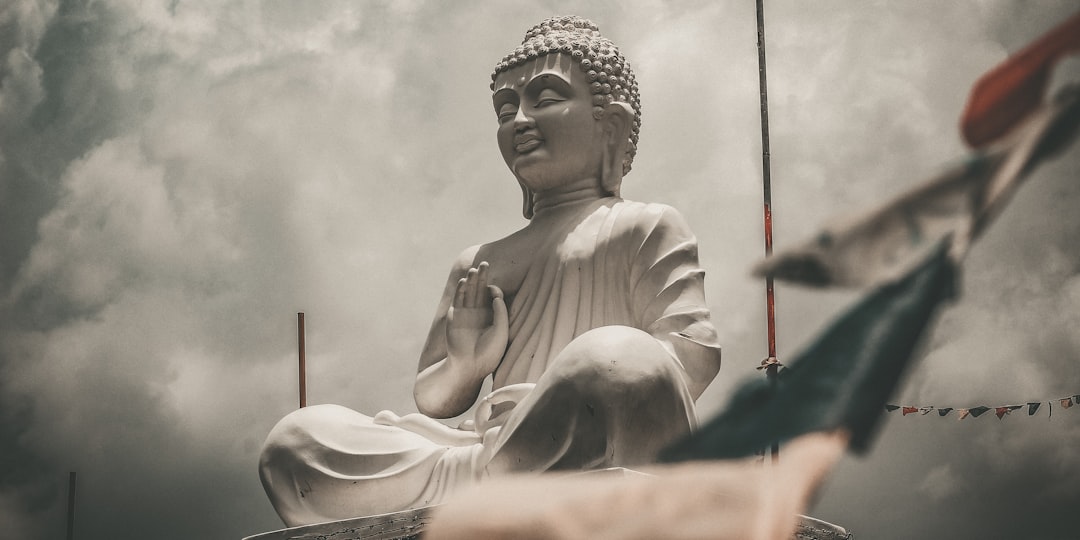
Buddhism started in India. A prince named Siddhartha Gautama became the Buddha. The Buddha means “awakened one.” Buddhism is about freedom from suffering. It teaches that suffering comes from wanting things. It also comes from being angry or sad about what happens. The Buddha taught a way to end this suffering. It’s called the Eightfold Path. It’s about right understanding, right thought, right speech, and so on. It leads to peace and kindness.
In exploring the philosophical differences between Stoicism and Buddhism, it’s interesting to consider how Stoicism teaches individuals to cultivate inner strength and resilience. A related article that delves deeper into this concept is titled “How Stoicism Teaches You to Stop Chasing Approval.” This piece highlights the Stoic principles that encourage self-acceptance and the importance of focusing on one’s own values rather than seeking external validation. For more insights, you can read the article here: How Stoicism Teaches You to Stop Chasing Approval.
Focus on What You Can Control
This is a big idea in Stoicism.
The Circle of Control
Imagine you have a big circle. Everything you can control is on the inside of the circle. Your thoughts are there. Your choices are there. Your actions are there. Your opinions are there. This is your inner world. It’s where your power really is.
Outside this circle are things you cannot control. Other people’s actions are outside. The weather is outside. What happened yesterday is outside. What might happen tomorrow is mostly outside. Trying to control these things is like trying to catch smoke. It just frustrates you.
Stoic Practice: Focus Inward
So, what do Stoics do? They focus their energy on the inside circle. They practice thinking clearly. They practice making good choices. They try to be calm when difficult things happen. They don’t get angry about traffic jams. They accept them. They find a way to be okay. They might listen to a podcast. Or just enjoy the quiet.
Buddhist Response: Letting Go
Buddhism also talks about things we can’t control. But the approach is a bit different. Buddhists learn to accept that things change. They realize that wanting things to be different causes pain. So, they practice not clinging to things. They let go of attachments. This means not getting too worried if you lose your favorite toy. Or if a friend moves away. You accept it.
The Role of Emotions
Both ideas talk about emotions. But they handle them differently.
Stoicism and “Good” Emotions
Stoicism isn’t about not feeling emotions. That’s a common misunderstanding. Stoics want helpful emotions. They cultivate joy when good things happen. They appreciate friendship. They feel a sense of duty. They aim for a calm happiness. It’s a deep sense of well-being. It’s not jumping up and down excited. It’s more like a warm, steady feeling.
Stoics Avoid “Bad” Emotions
What Stoics try to avoid are destructive emotions. Think of anger. Think of extreme fear. Think of jealousy. They see these as errors in judgment. They are caused by believing false things. For example, getting really angry when someone cuts you off in traffic. A Stoic might think, “That person is having a bad day. Or they made a mistake. Why should I let their bad choice ruin my mood? I can choose to be calm.”
Buddhism and Understanding Emotions
Buddhism dives deeper into emotions. It sees them as signals. They tell us something. If you feel an emotion, like sadness, Buddhism doesn’t say “don’t feel that.” Instead, it says, “understand that sadness.” Where does it come from? What is it teaching you? It’s about observing your emotions without judgment.
The Goal: Liberation from Suffering
The ultimate goal in Buddhism is to be free from suffering. Suffering, or ‘dukkha,’ is a core concept. It’s not just about pain. It’s about the general unsatisfactoriness of life when we are attached. By understanding our emotions and letting go of cravings, we can reach enlightenment. This is a state of profound peace.
What is Suffering and How to Deal With It
This is a key point of comparison.
Stoic View of Suffering: Misguided Judgments
For Stoics, real suffering comes from our own thoughts. It’s when we believe things that aren’t true. Like believing you need a promotion to be happy. Or believing that your neighbor’s fancy car makes your life worse. These are false judgments. They are mistakes in how we see the world.
Practical Stoic Steps
When difficulties arise, a Stoic asks, “What is within my control here?” They focus on doing their best. They accept what they cannot change. They remind themselves that external things like wealth or reputation are not essential for a good life. Virtue is. A good character is. This is enough.
Buddhist View of Suffering: Attachment and Desire
Buddhism sees suffering as an unavoidable part of life. But it’s a part we can overcome. It’s like a sickness that has a cure. The cause of suffering is craving. Craving for things to be permanent. Craving for pleasure. Craving for self. It’s also about aversion. Aversion to pain. Aversion to unpleasant experiences.
The Buddhist Path: The Eightfold Path
The Eightfold Path is the roadmap in Buddhism. It guides people to end suffering. It involves:
- Right Understanding: Seeing things as they truly are, not as we wish them to be.
- Right Thought: Having intentions that are free from greed and hatred.
- Right Speech: Speaking kindly and truthfully.
- Right Action: Acting in ways that don’t harm others.
- Right Livelihood: Earning a living in an ethical way.
- Right Effort: Working to improve oneself.
- Right Mindfulness: Being aware of the present moment.
- Right Concentration: Focusing the mind.
If you’re interested in exploring the nuances between Stoicism and Buddhism, you might find it helpful to read a related article that delves into the principles of modern Stoicism. This guide offers insights into how Stoic philosophy can be applied in today’s world, complementing the discussions around the differences and similarities between these two ancient schools of thought. You can check out the article here: Beginners Guide to Modern Stoicism.
What is “The Good Life”?
Both paths lead to a life that feels better. But they define that “better” differently.
Stoicism: Living According to Nature and Virtue
Stoics believe the good life is living in harmony with nature. And nature, for them, means the rational order of the universe. It also means living according to your own rational nature. This means being virtuous. Virtue is the only true good. Everything else like health, wealth, or fame is “preferred indifferents.” They are nice to have, but not essential for happiness.
The Stoic Goal: Inner Peace and Resilience
The aim is to build inner strength. To be unshakable. To face life’s challenges with courage and wisdom. It’s about being a good person, no matter what happens around you. Imagine a strong tree. It bends in the wind but doesn’t break. That’s the Stoic ideal.
Buddhism: Nirvana and Enlightenment
The ultimate goal in Buddhism is Nirvana. This is a state of liberation. It’s the end of suffering and the cycle of rebirth. It’s a state of perfect peace and understanding. It’s not a place, but a state of being. Enlightenment means waking up to the true nature of reality.
The Role of Compassion
A big part of the Buddhist journey is developing compassion for all beings. This comes from understanding that everyone suffers. And that we are all connected. This compassion guides actions. It leads to kindness.
Similarities and Differences Summarized
Let’s put it all together.
Shared Ground: Calmness and Acceptance
Both Stoicism and Buddhism encourage us to be calm. They both teach us to accept what we cannot change. They both offer ways to reduce stress and worry. If you’re feeling overwhelmed, both paths offer tools to help.
Key Differences: The “Why” and “How”
The main differences are in their basic ideas and methods.
- The Cause of Problems: Stoicism says problems come from our mistaken judgments. Buddhism says problems come from our desires and attachments.
- The Ultimate Goal: Stoicism seeks a virtuous and resilient life here and now. Buddhism seeks Nirvana, liberation from suffering and the cycle of rebirth.
- The Path: Stoicism focuses on reason, logic, and controlling our reactions. Buddhism focuses on meditation, mindfulness, and cultivating wisdom and compassion.
- Emotions: Stoics aim to master destructive emotions through reason. Buddhists aim to understand emotions and let go of attachment to them.
A Simple Analogy
Think of a leaky faucet.
- A Stoic might say, “The constant dripping is annoying, but I can’t control the faucet right now. What I can control is my reaction. I will not let this drip ruin my day. I will focus on my work and accept the sound.”
- A Buddhist might say, “This dripping sound is causing me unease. I will sit with this feeling. I will observe it. I will understand where my annoyance comes from. Perhaps I am attached to perfect silence. I will practice letting go of that attachment. And later, I will try to fix the faucet.”
Which Path is Right?
There’s no single “right” path for everyone. Both Stoicism and Buddhism offer profound wisdom. They can help us live more peaceful and meaningful lives. Many people find benefit in exploring ideas from both. You might read a Stoic philosopher one day. And practice mindfulness from Buddhism the next.
The important thing is to find what resonates with you. What helps you feel more calm? What helps you be wiser? What helps you be kinder? Explore gently. See what feels like a good fit for your own journey. The goal is to live better, and both these ancient traditions have much to teach us about that.
FAQs
What are the key principles of Stoicism?
Stoicism emphasizes the importance of virtue, self-control, and resilience in the face of adversity. It teaches individuals to focus on what is within their control and to accept what is not.
What are the key principles of Buddhism?
Buddhism teaches the Four Noble Truths, which include the recognition of suffering, the cause of suffering, the cessation of suffering, and the path to the cessation of suffering. It also emphasizes the practice of mindfulness, compassion, and non-attachment.
How do Stoicism and Buddhism differ in their approach to emotions?
Stoicism encourages individuals to acknowledge their emotions but to not be controlled by them. It promotes the idea of maintaining a sense of inner calm and rationality. Buddhism, on the other hand, teaches individuals to observe their emotions with mindfulness and to cultivate compassion and equanimity towards them.
What is the view of the self in Stoicism and Buddhism?
Stoicism views the self as a rational and moral agent capable of self-improvement and virtue. Buddhism, on the other hand, teaches the concept of non-self (anatta), which emphasizes the impermanence and interconnectedness of all things, including the self.
How do Stoicism and Buddhism differ in their approach to the concept of fate or destiny?
Stoicism teaches individuals to accept their fate and to focus on what is within their control, while acknowledging that external events are often beyond their control. Buddhism also emphasizes acceptance of the present moment, but it does not attribute events to a predetermined fate or destiny.
