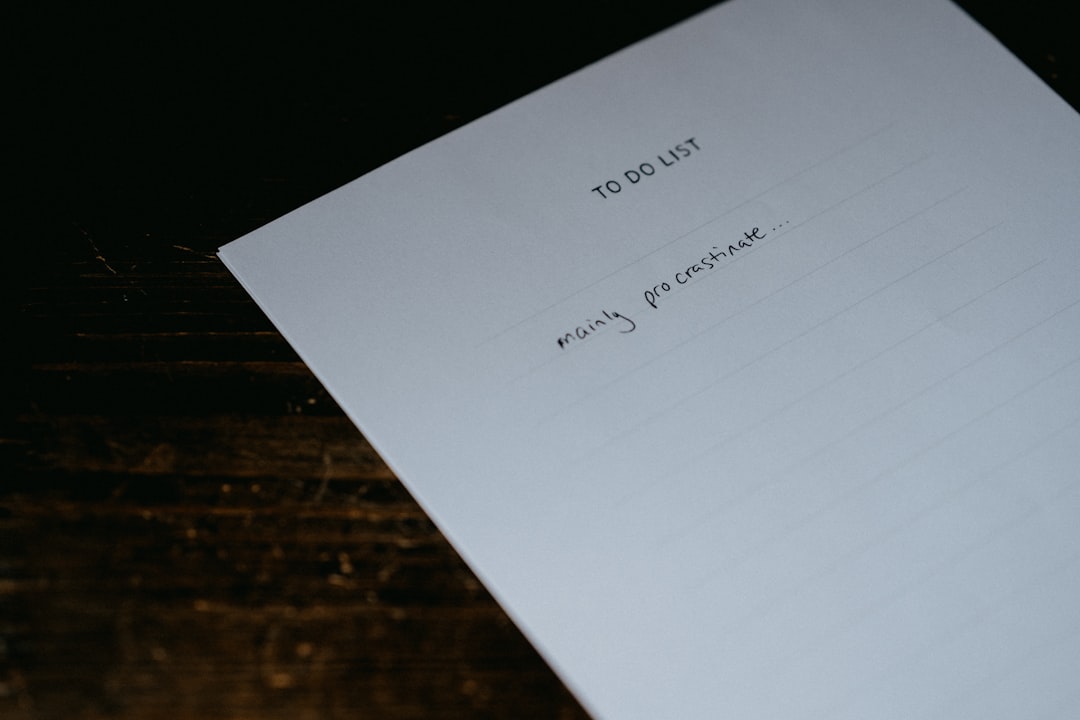

Stopping Procrastination with Stoic Thinking
We all do it. We put things off. That one task on your to-do list. It just sits there. Staring at you. It feels too big. Or maybe too boring. Or maybe scary.
Procrastination is like a sticky habit. It’s easy to fall into. But it stops us from doing what we want. And what we need to do.
What if there was a way to gently nudge yourself forward? A way to loosen the grip of “later”? Stoicism offers some very smart ideas. They can help us understand why we procrastinate. And how to start doing those things.
Let’s explore how Stoic thinking can help. We’ll keep it simple. Like talking to a friend.
The Little Voice of “Later”
Think about when you’re about to do something you don’t really want to do. Maybe it’s cleaning your room. Or writing an email. Or exercising.
A little voice in your head starts. It whispers, “Not now.” Or, “You can do it tomorrow.” Sometimes it feels very convincing. It tells you you’ll be in a better mood later. Or have more energy.
This little voice is often the start of procrastination. It makes the task seem like a big, terrible thing. It focuses on how unpleasant now is.
If you’re looking to deepen your understanding of how Stoic principles can help combat procrastination, you might find the article on how Stoicism teaches you to stop chasing approval particularly insightful. This piece explores the connection between self-approval and productivity, emphasizing how letting go of the need for external validation can free you from distractions and enhance your focus. To read more about this intriguing perspective, visit this article.
Why Do We Put Things Off?
There are many reasons we procrastinate. Sometimes we fear failure. We don’t want to start if we don’t think we’ll do a good job. This is perfectionism talking.
Other times, the task just feels overwhelming. It’s like looking at a mountain. You don’t know where to start. So you don’t start at all.
Maybe the task is simply boring. Our brain wants excitement. It wants pleasure. It doesn’t want to do tedious work.
Stoics understood that our thoughts play a big role. They said our judgments about things are the problem. Not the things themselves.
“It’s Too Hard!”
When you think a task is “too hard,” you’re making a judgment. The task itself isn’t inherently impossible. Your thought makes it seem that way.
Stoics would say, “Is it really too hard? Or does it just seem hard because you haven’t started?”
This is an important difference. It’s about how we frame things in our minds.
“I Don’t Feel Like It”
This is a common one. We wait for inspiration. We wait for the perfect mood. But moods change. And true motivation often comes from doing. Not waiting.
Stoics believed we can act even when we don’t feel like it. Our feelings don’t have to control our actions.
Taking Control of Your Thoughts About Tasks
Stoicism teaches us to look at our thoughts. To check if they are true. And if they are helpful.
When you judge a task as “awful” or “impossible,” you are creating resistance. This resistance is what makes you procrastinate.
What Can You Control?
Stoics had a core idea called the “dichotomy of control.” It’s very simple. Some things are within your control. Other things are not.
Your opinions. Your judgments. Your actions. These are within your control.
The outcome of the task. Other people’s opinions. The weather. These are not within your control.
When you procrastinate, you often focus on the things you can’t control. The difficulty. The potential for failure. The fact it’s boring.
Instead, focus on what you can control. You can control your decision to start. You can control the small steps you take.
Changing Your Inner Story
Imagine your inner voice. Is it a whiner? Or a wise guide? With Stoicism, you can train your inner voice.
Instead of thinking, “This is too hard,” try thinking, “I can take the first step.”
Instead of, “I don’t feel like it,” try, “It’s okay that I don’t feel like it, but I will start anyway.”
This isn’t about forcing yourself to be happy about the task. It’s about accepting your feelings. And then choosing action.
Breaking Down the Mountain
That overwhelming feeling? It’s often because we see the whole mountain. Not the small rocks and pebbles.
Stoicism encourages us to focus on the present. On what is right in front of us.
The Power of the First Step
The hardest part of any task is often starting. Getting momentum.
Stoics would say, “Just do the next small thing.” Don’t worry about the 100 steps after. Just focus on step one.
What is the absolute smallest action you can take right now?
If you need to write a report, maybe the first step is just opening the document. Or writing one sentence. Or even just finding the right file.
If you need to clean your room, maybe the first step is picking up one item. Or putting one dish in the sink.
This feels very manageable. It takes away the overwhelm.
Small Wins Build Big Trails
When you complete that first small step, something happens. You’ve already started. You’ve broken the inertia.
This creates a sense of accomplishment. Even if it’s tiny. It’s a win.
Stoics believed that virtue is built through small, consistent actions. This applies to overcoming procrastination too. Each small step taken is a victory of your will.
If you’re looking to enhance your productivity and overcome procrastination through Stoic principles, you might find it beneficial to explore the concept of focus in a distracted world. A related article discusses how Stoic training can sharpen your concentration and help you stay committed to your goals. You can read more about this approach to maintaining focus by visiting this informative resource. Integrating these strategies with your understanding of Stoicism can lead to a more disciplined and fulfilling life.
Dealing with Discomfort
Let’s be honest. Sometimes the things we procrastinate on are unpleasant. They might be boring. Or tedious. Or just require mental effort.
Stoicism doesn’t pretend these things aren’t sometimes uncomfortable. It teaches us how to handle that discomfort.
Accepting What Is
Stoics practiced accepting reality. Not fighting it.
So, if a task is boring, you accept that it’s boring. You don’t waste energy wishing it were fun. You accept the present reality of the task.
This acceptance doesn’t mean you like it. It means you stop resisting that it is this way.
When you stop fighting the inherent nature of the task, you free up energy. Energy that was being used to complain internally.
Facing the “Scary” Part
Sometimes we avoid tasks because we fear facing something difficult. Maybe it’s a challenging conversation. Or a complex problem.
Stoics believed that we often fear things more than they actually are. They encouraged facing fears directly.
By breaking down the task, you can face the scary part in smaller pieces. Each small step builds your courage. You prove to yourself that you can handle it.
Even if it’s uncomfortable, you learn that you can endure. You can get through it. This builds resilience.
The Value of Action Over Feeling
This is a big Stoic idea. We often wait for the feeling of readiness. The perfect time.
Stoics said that action often creates the feeling. Not the other way around.
“Action Is the Seed of Motivation”
Think about exercise. You might dread going to the gym. But once you start, you often feel better. You get into the groove.
The act of doing the thing itself can change your mindset. It can make you feel more capable. More energized.
So, when you don’t feel like doing something, tell yourself, “I will just start for five minutes.” Set a tiny timer.
Often, after five minutes, you’ll find it easier to continue. The initial hurdle was crossed.
Working with, Not Against, Your Nature
Humans are built to act. To achieve. To learn. Procrastination is like putting a block on this natural drive.
Stoics believed in living in accordance with nature. Our nature is to be active. To engage with the world.
By acting, even when it’s hard, you honor your own nature. You move forward. You grow.
The Long Game of Self-Mastery
Overcoming procrastination isn’t a one-time fix. It’s a skill. Like learning to ride a bike.
You fall off sometimes. You wobble. But you get back up.
Stoicism is a practice. It’s about building better habits of mind.
Building Discipline Through Small Choices
Every time you choose to take that first small step, you are practicing discipline. You are strengthening your ability to act even when it’s not easy.
This discipline will spread. It will help you in other areas of your life. It’s like building a muscle.
What Is Truly Important?
Stoics constantly asked themselves, “What is truly important?” They focused on virtue. On character. On living a good life.
When you procrastinate, you might be putting off things that contribute to your goals. Or your well-being. Or your responsibilities.
By using Stoic thinking, you can reconnect with what truly matters. You can see how tackling tasks, even the small ones, moves you closer to your own values.
A Gentle Approach
There’s no need for harsh self-criticism. Stoicism is not about beating yourself up. It’s about calm, rational self-improvement.
When you do procrastinate, acknowledge it without judgment. “Okay, I put that off. Why did I do that?” Learn from it. Then, decide on the next small action.
The goal is not perfection. The goal is progress. Gentle, consistent progress.
By applying these simple Stoic ideas, you can start to change your relationship with “later.” You can begin to do the things you want to do. One small step at a time. And that’s a wonderful thing.
FAQs
What is stoic thinking and how can it help with procrastination?
Stoic thinking is a philosophy that emphasizes self-control, resilience, and the acceptance of things outside of our control. By adopting stoic principles, individuals can better manage their emotions and focus on taking action rather than succumbing to procrastination.
What are some stoic techniques to overcome procrastination?
Stoic techniques to overcome procrastination include practicing mindfulness, focusing on what is within one’s control, and embracing discomfort as a natural part of the process. Additionally, setting realistic goals and prioritizing tasks can help individuals stay on track and avoid procrastination.
How can stoic thinking improve productivity and time management?
Stoic thinking can improve productivity and time management by encouraging individuals to prioritize tasks based on their importance and impact, rather than giving in to distractions or avoidance. By focusing on what is within their control and accepting the inevitability of discomfort, individuals can better manage their time and accomplish their goals.
What are some practical steps to apply stoic thinking to overcome procrastination?
Practical steps to apply stoic thinking to overcome procrastination include identifying and challenging irrational beliefs that lead to procrastination, breaking tasks into smaller, manageable steps, and developing a routine that promotes discipline and focus. Additionally, practicing gratitude and maintaining a positive mindset can help individuals stay motivated and avoid procrastination.
How can stoic thinking help individuals develop a long-term mindset and overcome procrastination?
Stoic thinking can help individuals develop a long-term mindset and overcome procrastination by encouraging them to focus on the bigger picture, rather than giving in to short-term impulses or discomfort. By embracing challenges and setbacks as opportunities for growth, individuals can cultivate resilience and perseverance, ultimately overcoming procrastination in the long run.
