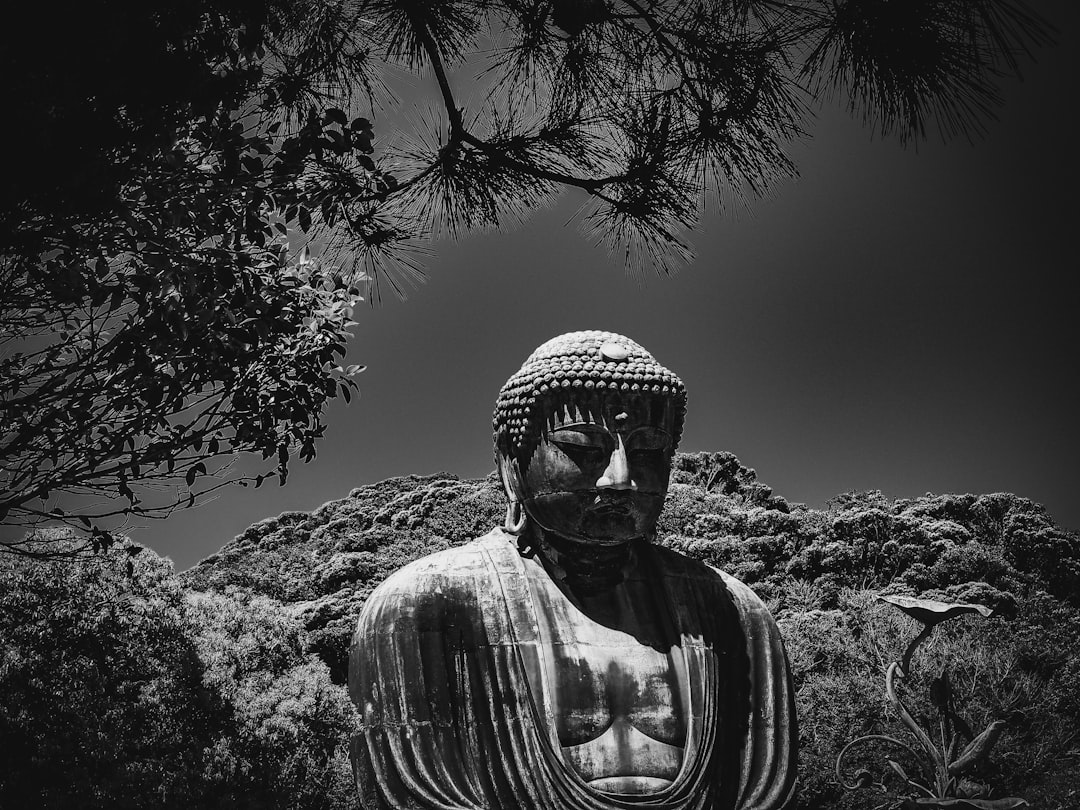

What’s up, Stoics and seekers of calm? Ever feel like life’s a bit of a rollercoaster? One minute up, next minute down? It’s a common feeling. We all want a bit more steadiness, a bit more inner peace. That’s where two ancient philosophies, Stoicism and Buddhism, step in. They offer some cool tricks to find that balance.
Two Paths to Inner Calm
Think of life as a big, sometimes choppy, ocean. We’re all in little boats, trying to sail through. Sometimes the sun shines, sometimes there’s a storm. It’s tough to stay steady.
Both Stoicism and Buddhism show us ways to become better sailors. They teach us how to handle the waves. How to enjoy the sunny days without getting too carried away. And how to weather the storms without capsizing. They have different maps, but they often lead to similar beautiful harbors of peace.
Both Buddhism and Stoicism offer profound insights into the nature of suffering and the pursuit of inner peace. For those interested in exploring the principles of Stoicism further, a great resource is the article titled “A Beginner’s Guide to Modern Stoicism,” which delves into the foundational concepts of Stoic philosophy and how they can be applied in today’s world. You can read it here: A Beginner’s Guide to Modern Stoicism. This article complements the teachings of Buddhism by highlighting the importance of mindfulness and emotional resilience in navigating life’s challenges.
Understanding Stoicism: The Inner Fortress
First, let’s chat about Stoicism. Imagine you have a superpower. That superpower is controlling your mind. Stoicism is all about using that power.
What You Can Control (And What You Can’t)
This is a huge Stoic idea. It’s called the “Dichotomy of Control.”
Think about your morning commute. You can control how early you leave. You can control listening to a podcast or music. But can you control the traffic? Nope. Can you control if someone cuts you off? Absolutely not.
Stoicism says: focus your energy only on what you can control. Your thoughts. Your actions. Your reactions. Let go of the rest. Trying to control the uncontrollable is like trying to push a rope. It’s frustrating and useless.
Training Your Mind
Stoicism is like mental martial arts. You train your mind to be strong. To not get rattled by external stuff. If someone says something mean, you can choose how to react. Do you get angry? Or do you shrug it off, knowing their words say more about them than you?
This isn’t about being emotionless. It’s about not letting emotions control you. You feel them, acknowledge them, but then you decide your next move, not your anger.
Virtue is Your Guide
Stoics believed in living a good life, a virtuous life. What does that mean? Things like wisdom, courage, justice, and self-control. These are your compass points. When you act with these in mind, you generally make good choices. You live with integrity.
It makes decision-making easier. Faced with a tough choice, you ask: “What’s the wise thing to do here? What’s the fair thing?”
Exploring Buddhism: The Path of Awareness
Now, let’s paddle over to Buddhism. It also offers incredible wisdom. It asks us to look inward, but with a slightly different lens.
The Nature of Suffering
Buddhism starts with a big idea: suffering exists. We all feel it. Small annoyances, big heartbreaks. It’s part of being human.
But it also says why we suffer. Often, it’s because we cling to things. We want things to be different than they are. We want joy to last forever. We hate change.
Mindfulness: Being Present
One of the most famous Buddhist tools is mindfulness. What is it? It’s simply paying attention. Like, really paying attention. Not just thinking about your to-do list while you’re eating dinner.
It’s about noticing your breath. Feeling the warmth of your coffee cup. Listening to the birds singing. When you are fully present, your mind isn’t leaping into the past or future. It’s right here, right now. This calms the mind. It reduces worrying.
Letting Go of Attachment
This is a big Buddhist lesson. We get attached to things. To people, to ideas, to our careers, to our comfort zones. When these things change or disappear, we suffer.
Buddhism doesn’t say you shouldn’t enjoy things. It says enjoy them, but don’t cling to them. Hold them gently, like a handful of sand. If you squeeze too tight, it slips away. If you hold it gently, you can enjoy it for a while. Everything changes. This is the nature of life. Accepting this brings peace.
Where They Meet: Common Ground
So, we have Stoicism and Buddhism. They grew up in different parts of the world. They have different histories. But they share some deeply important ideas. Like two rivers flowing from different mountains, they often merge into the same calm sea.
Accepting What Is
Both philosophies say: “Accept reality.” Easier said than done, right? But it’s key. Stoicism calls it “amor fati” – loving your fate. It doesn’t mean you like everything that happens. It means you embrace it. You work with it. You don’t fight against the current of life.
Buddhism talks about “acceptance.” It’s not resignation. It’s acknowledging how things are right now. This allows you to then respond skillfully. If you’re stuck in traffic, you can fume and yell. Or you can accept it, put on some music, and chill. The traffic hasn’t changed, but your experience has.
Understanding Emotions
Neither Stoicism nor Buddhism tells you to be a robot. They don’t say “don’t feel.” They say “understand your feelings.” Stoicism wants you to master them. Buddhism wants you to observe them.
Imagine emotions as clouds in the sky. Stoicism teaches you to be the strong wind that directs them. Buddhism teaches you to be the blue sky, watching them pass by. Both lead to less emotional turmoil. You aren’t swept away by every gust of feeling.
The Importance of Inner Work
Both systems are about you doing the work. This isn’t a quick fix potion. It’s like building muscle. You have to exercise your mind regularly. Practice makes perfect, or at least, better.
Daily reflection for Stoics. Daily meditation for Buddhists. Both are about checking in with yourself. How am I doing? What did I learn? How can I be better? This consistent effort slowly transforms you from the inside out.
Both Buddhism and Stoicism offer profound insights into the nature of suffering and the importance of acceptance. A fascinating article discusses how the Stoic philosophy emphasizes the futility of trying to control everything in our lives, which resonates with Buddhist teachings on letting go of attachment. For those interested in exploring this connection further, you can read more about it in this insightful piece on the Stoic perspective by visiting why trying to control everything is making you miserable. This intersection of ideas can provide valuable guidance for anyone seeking a more peaceful existence.
Practical Tips for Daily Balance
Okay, this all sounds great in theory. But how do we actually do this in our busy lives? Let’s get practical.
Start Your Day Mindfully or Stoically
How do you usually start your day? Scrolling on your phone? Rushing around? Try this instead:
- For Stoicism: Before you even get out of bed, think about the day ahead. What challenges might you face? How can you respond calmly and rationally? “Today, I might encounter rude people, or unexpected delays. I will choose to react with patience.” This sets your mental intention.
- For Buddhism: Take five minutes. Just five. Sit comfortably. Close your eyes. Notice your breath. How does it feel? Notice any sounds. Any thoughts. Just observe, don’t judge. This grounds you before the day’s demands begin.
Practice Mindful Walking/Commuting
We spend so much time commuting or walking from place to place. Turn it into a practice.
- Mindful Walking: Feel your feet on the ground. Notice the rhythm of your steps. Look at the trees, the buildings, the colors. Don’t let your mind race ahead. Be here.
- Stoic Commuting: If you hit traffic or delays, don’t get angry. You can’t control it. Ask yourself: “How can I use this time well?” Listen to an audiobook. Practice deep breathing. Or simply accept it as an inevitable part of your day and use it for calm reflection.
Handle Frustration with Awareness
Something inevitably goes wrong. The internet goes down. Your plans get canceled.
- Stoic Approach: Ask: “Is this within my control?” No, the internet isn’t. My reaction is. Choose a calm reaction. “This is annoying, but it’s not a catastrophe. I’ll figure out a workaround.”
- Buddhist Approach: Notice the feeling of frustration. Where do you feel it in your body? Is your jaw tight? Your shoulders tense? Just observe it, without judgment. Don’t feed the anger. Just watch it, like a cloud passing in the sky. It will pass.
Practice Gratitude
Both Stoicism and Buddhism encourage appreciating what you have.
- Stoic Gratitude: Not just for good things, but for challenges too. Challenges make you stronger, wiser. They offer opportunities for virtue. “I’m grateful for this difficult project, it’s teaching me perseverance.”
- Buddhist Gratitude: For the simple things. Your breath. A warm meal. The sound of rain. These small moments of appreciation boost your well-being.
Reflect at the End of Your Day
Before bed, take a few minutes.
- Stoic Reflection: “What went well today? What didn’t? How did I act? Was I virtuous? How can I do better tomorrow?” This is your self-assessment.
- Buddhist Reflection: “What thoughts or emotions came up today? Did I cling to anything? Did I react skillfully, or could I have been more aware?” This is your observation session.
The Journey, Not the Destination
Finding balance isn’t a one-time event. It’s not like you suddenly “get it” and then everything is perfect forever. It’s a continuous practice. It’s like learning to ride a bike. You fall. You get back up. You wobble. But each time, you get a little steadier.
Both Stoicism and Buddhism offer incredible wisdom for this journey. They don’t promise a life without problems. They promise a life where you can handle problems better. Where you have more inner resilience. More ease. More peace.
So, whether you lean more towards Stoic mental strength or Buddhist gentle awareness, pick up a tool. Try it. See how it changes your day, your week, your life. You might just find that quiet harbor you’ve been looking for. Keep exploring, keep practicing, and keep finding your calm.
