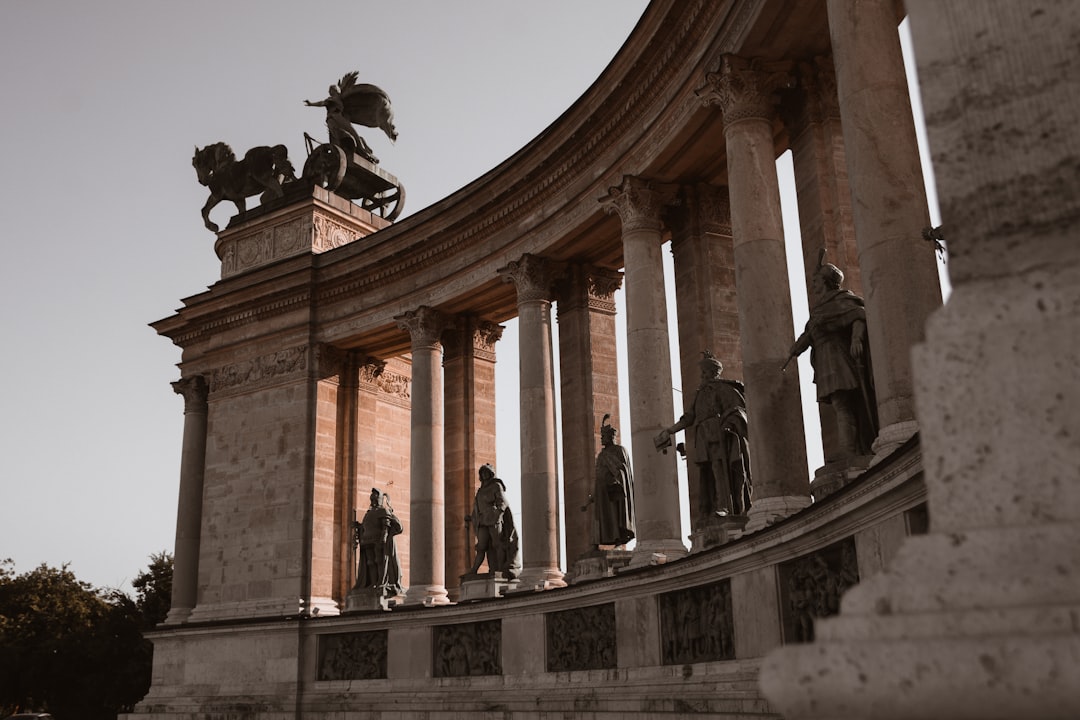

Life can feel unfair sometimes. We all experience this. Things don’t always go as planned. People might not treat us well. Or maybe bad luck strikes. When this happens, we can feel upset. We might feel angry. Or sad. Or frustrated. The Stoics had some ideas about this. They wanted to help people stay strong. They had a way to deal with unfairness. Let’s explore that.
The Stoic Way to Stay Mentally Strong When Life Feels Unfair Explore the principles of Modern day stoicism to enhance your daily life.
It’s like this. Imagine you’re building something. You have a plan. You’re working hard. Then, a big gust of wind comes. It knocks down your carefully stacked blocks. It feels unfair, right? You didn’t ask for the wind. You were just trying to build your tower. That’s what life can feel like sometimes. Things happen that are out of our control.
What Does “Unfair” Even Mean?
When we say life is unfair, what do we mean? We usually mean that things didn’t turn out the way we hoped. Or we think we deserve something better. Someone else might get something we don’t. Or something bad happens to us, but not to others. It’s a feeling that the world isn’t treating us as it should.
We have expectations. We expect things to be a certain way. When reality doesn’t match our expectations, we feel that sting of unfairness. This is a very human feeling. The Stoics understood this feeling well. They didn’t ignore it. They just had a different way of looking at it.
The Big Idea: What Can You Actually Control?
The Stoics had a central teaching. It’s called the Dichotomy of Control. This is like a superpower. It’s about understanding what you can do and what you can’t. It’s not about ignoring problems. It’s about focusing your energy where it matters most.
Think about the wind knocking down your blocks. You can’t control the wind. That’s nature. It’s an external event. But you can control what you do next. You can choose to pick up the blocks. You can choose to rebuild. You can choose to build a stronger tower.
Your Thoughts and Actions
The Stoics said we have control over very few things. But the things we do have control over are very important. These are your own thoughts. Your own judgments. Your own desires. And your own actions. These are inside you. They are yours.
No one can force you to think a certain way. No one can force you to feel a certain emotion. No one can force you to act against your will. Unless, of course, you let them. The power to decide is yours. This is where your true strength lies.
Your Inner World is Your Castle
Your mind is like a castle. You are the king or queen inside. You decide what enters. You decide what gets a warm welcome. And you decide what gets shown the door. Even when storms rage outside, your castle walls can hold.
When life feels unfair, it’s often because external things are happening. Your boss is unfair. Your friend is not being honest. The traffic is terrible. These are all outside your direct control. Getting angry about them doesn’t change them. It only makes you miserable.
Things Outside Your Control
The Stoics believed in accepting what they couldn’t change. This doesn’t mean being passive. It means not wasting energy on things that are already done or that are out of your hands. This includes other people’s actions. The weather. Past events. And even the future, to a large extent.
Imagine trying to stop the rain by yelling at the sky. It’s not going to work. You’ll just get wet and tired. The Stoics would say, “See the rain? It’s raining. Okay. What can I do now?”
Dealing with Other People
Other people have their own minds and their own choices. You can’t control if someone is kind or unkind to you. You can’t force them to understand your point of view. This is a huge source of feeling unfairness.
The Stoics would say, “Observe their actions. Understand that their actions reflect their own inner state, not necessarily a deliberate attack on you.” It’s not about excusing bad behavior. It’s about not letting it ruin your inner peace.
The Power of Perspective: Seeing Things Differently
How you look at a situation matters. This is the Stoic idea of perspective. It’s like looking at a picture from different angles. From one angle, it might look messy. From another, you might see the beauty.
When something unfair happens, your first reaction might be negative. “This is terrible!” or “Why me?” The Stoics would suggest pausing. And then asking, “What else could this mean?”
What’s Really Going On?
Is that situation truly a disaster? Or is it just an inconvenience? Often, our minds blow things out of proportion. We add stories to events. These stories are our judgments. And our judgments can be wrong.
Let’s say you miss your bus. Your first thought might be, “This is ruining my day! Now I’m going to be late for everything!” But is it really the end of the world? Or is it just a delay? Maybe it means you’ll have a few extra minutes to yourself. Or maybe you’ll meet someone interesting while waiting for the next bus.
Reframe the Negative
The Stoics taught us to reframe negative events. Instead of seeing them as punishments, they suggested seeing them as opportunities. Opportunities to practice patience. To practice resilience. To practice understanding.
Think of it like a workout for your mind. When you lift weights, your muscles get stronger. When you face challenges calmly, your mind gets stronger. Each difficult situation is a chance to build that mental muscle.
Practice Acceptance: Flowing Like Water
Acceptance is not giving up. It’s not saying, “Okay, I just have to deal with this forever.” It’s about acknowledging reality as it is, right now. Without resistance.
Imagine a river. It flows around rocks. It doesn’t try to smash through them. It finds a way. It adapts. That’s the kind of acceptance the Stoics talked about.
Don’t Fight Reality
When you fight reality, you create suffering. You get angry at the river for having rocks. But the rocks are there. The river will keep flowing. Resisting what is will only exhaust you.
Accepting a situation doesn’t mean you like it. It means you stop wasting energy wishing it were different. You can then focus that energy on what you can do next.
What Can You Do NOW?
Once you accept what’s happened, ask yourself: “What is within my power to do now?” This is the practical part. This is how you move forward.
If the bus is missed, you can’t magically make it reappear. But you can call ahead to say you’ll be late. You can check the schedule for the next bus. You can find a nearby café to wait comfortably. These are actions within your control.
Focus on Virtue: Your Inner Compass
The Stoics believed that the only true good is virtue. Virtue is about being good, in a deep, character-driven way. It means being wise, just, courageous, and temperate. These are qualities you build within yourself.
When life feels unfair, your immediate reaction might be to lash out or despair. Virtue guides you away from those reactions. It provides an inner compass.
Wisdom, Justice, Courage, Temperance
- Wisdom: This means making good judgments. Thinking clearly. Knowing what is truly important. Is this situation really as bad as it seems? What is the best course of action?
- Justice: This means treating others fairly and with respect. Even when they don’t treat you that way. It means acting with integrity.
- Courage: This means facing difficulties with bravery. Not being afraid to do what is right, even when it’s hard. It’s about standing firm in your values.
- Temperance: This means self-control. Not letting your emotions or desires run wild. It’s about moderation and discipline.
These virtues are always within your reach. They don’t depend on external circumstances. You can be a virtuous person even when things are at their worst.
Virtue as Your True Wealth
Think of virtue as your unbreakable treasure. No one can take it from you. No amount of unfairness can diminish it. When you live by your virtues, you build a strong inner foundation. This foundation helps you weather any storm.
When you feel a situation is unfair, ask yourself: “How can I act virtuously in this moment?” This shifts your focus from the perceived injustice to your own character.
Practice Self-Reflection: Learning from Every Experience
The Stoics were big on self-reflection. They would look back at their day. They would think about what went well. And what could have gone better. This is how you learn and grow.
When something feels unfair, it’s an opportunity. An opportunity to understand yourself better. And to understand how the world works.
Daily Review
Take some time each day, perhaps before bed. Ask yourself:
- What did I do well today?
- Where did I fall short?
- What could I have done differently?
- Did I react to unfairness with anger, or with calm?
By doing this, you become more aware of your patterns. You see where you get tripped up. You can then consciously work on those areas.
Learning from Mistakes
Every perceived mistake is a lesson. If you reacted impulsively to an unfair comment, reflect on that. Next time, you might try to pause before speaking. Or try to understand the other person’s perspective.
Self-reflection isn’t about beating yourself up. It’s about gentle, honest observation. Like a gardener tending to their plants. They water the good growth and prune what needs to be trimmed.
Building Resilience: The Inner Fortress
The Stoics wanted to build inner resilience. This is your ability to bounce back from setbacks. It’s like having an invisible fortress around your mind.
Unfairness is like arrows shot at this fortress. Some might hit the outer walls. But they can’t penetrate your core if the fortress is strong.
Understanding Impermanence
One way the Stoics built resilience was by understanding impermanence. Nothing lasts forever. Good times fade. Bad times fade too.
When things feel unfair and permanent, remember that they are not. This too shall pass. This shift in perspective can be incredibly comforting.
Preparing for the Worst, Appreciating the Best
The Stoics also practiced “premeditatio malorum,” or the premeditation of evils. This is not about being negative. It’s about mentally preparing for potential difficulties. If you’ve thought about how you would handle a certain problem, it’s less shocking and overwhelming when it actually happens.
This practice also makes you appreciate the good times more. When you know that challenges are a part of life, you cherish the moments of peace and happiness.
Putting It All Together: The Daily Practice
The Stoic way is not a one-time fix. It’s a daily practice. It’s like learning any new skill. You wouldn’t expect to be a master musician after one lesson.
When life feels unfair, remember these key ideas:
- Focus on what you can control: Your thoughts and actions.
- Accept what you cannot control: Other people, events.
- Observe your perspective: Reframe situations as opportunities.
- Practice virtue: Act with wisdom, justice, courage, and temperance.
- Reflect and learn: Use every experience to grow.
- Build resilience: Remember that challenges are temporary.
It’s okay to feel upset when things are unfair. That’s human. The Stoic path isn’t about suppressing emotions. It’s about not letting those emotions control you. It’s about finding your inner strength, no matter what the world throws at you. Like a sturdy tree with deep roots, you can bend with the wind but not break. And when the storm passes, you stand tall, ready to grow.
